Showing posts with label Vampires. Show all posts

Thursday, 31 July 2014

The Beastiary: Entry III, Sentinels

Defined by their Sensing and Judging qualities, Sentinel types are defined by their pragmatism and their ability to devote themselves to the causes they consider to be worthy of their sponsor. They are excellent planners and managers, both of resources and of people, and excel in all things measurable or anything which concerns concrete facts. This is not to preclude artistic or poetic drives, only that those drives will often be defined by their groundedness.

The four types for discussion in this entry, and the creatures I have matched them with are as follows: ESFJs (Erinyes), ESTJs (Dragons), ISFJs (Valkyries) and ISTJs (Vampires).
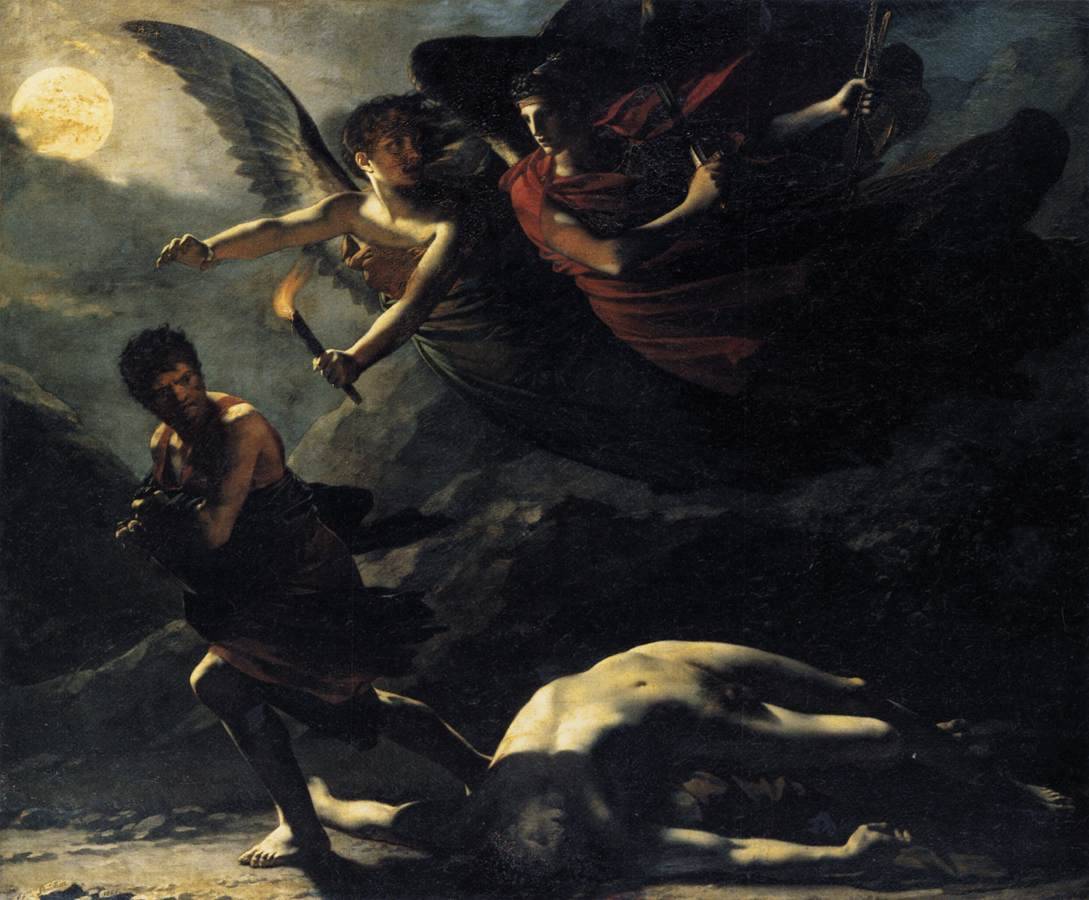
Image posted by Victorious Vocbulary

ESFJs (The Provider) - Erinyes

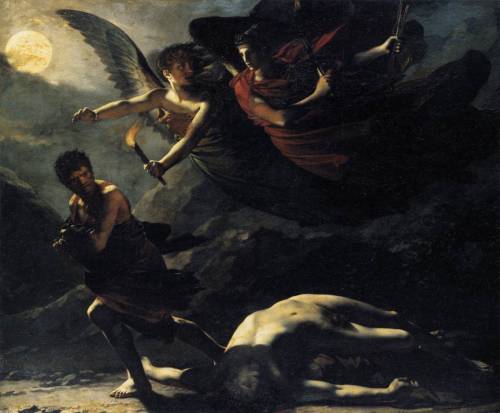
Within the extensive and complicated mythologies of Classical Greece, the Erinyes, whose name apparently translates as avengers of perjury, were deities of vengeance who existed to punish those who did wrong, most notably those who broke their oaths. Erinyes are more commonly known as the Furies and according to some sources, they are more ancient than any of the Olympian Gods (by which we mean Zeus and his "merry" household).

ESFJ most accurately aligns with the Erinyes due to this type's love of loyalty. Providers want what is best for those around them and this can only be reached if everyone practices a fierce kind of loyalty. ESFJs seek to promote overall benefit for everyone and, though the Furies are fearsome and a curse upon those they are seeking, in providing an incentive for loyalty and companionship they (and their legacy) encourage honesty and comradeship, which allow peace for all to enjoy. Furthermore, Providers, like the Erinyes, take their duties with the utmost seriousness, devoting themselves to the benefit of those around them. Erinyes are single-minded when it comes to their task, unflinchingly dedicated. While this supernatural devotion is not exactly matched by the ESFJ, they are very passionate and focused individuals. That the Provider retains a keen eye on social status further reflects the way in which the Erinyes exist to deal with contractual (often social) problems. 
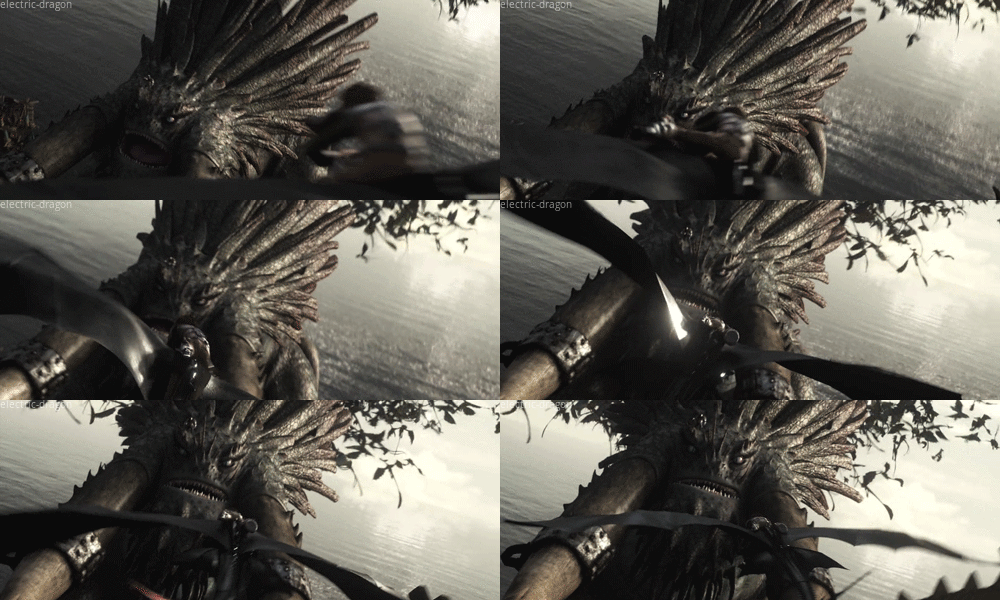

Image posted by Electric-Dragon

ESTJ (The Enforcer) - Dragons

I should not have to tell anyone what a Dragon is, so I am not going to do so.

Enforcers are representative of tradition and order within the MBTI network of personalities, they are exceptionally capable to understand social traditions and ideals and then employ them in such a way to sway other individuals and unite them, often under the banner of the ESTJ. Likewise, Dragons are depicted almost always, as being among the most ancient of beings, whose very lives are tied to a world forgotten, yet whose existence is important, if not integral, to the functioning of the world. In much the same way, ESTJs seek to enable the persistence of certain aspects of human existence through maintaining, sometimes singlehandedly, the structures which have enabled society and human interaction to endure for as long as they have. It helps that Enforcers are excellent organisers of people, as are Dragons who are often depicted has having lived in sprawling empires eons before humanity, or something comparable, came onto the scene. 

In a more metaliterary manner, we can see Dragons as a stabilising presence within the fantasy genre, for depictions of them have extended back into history unknown and there are still novels and films and all manner of other media being produced today which makes full use of this ancient archetype. 

Image posted by Fairy Univserse

ISFJ (The Protector) - Valkyries

Within Norse mythology, the Valkyries were the "choosers of the slain" a group of female entities whose role was to determine who would live and die in combat, as well as to collect the souls of fallen warriors who they deemed worthy and deliver them to Valhalla, where they would train for Ragnarok, the great battle which would remake the world.

Valkyries exist to support the Gods and ensure that they have the greatest chances when the dreaded battle finally arrives and likewise ISFJs are "all about" sharing their time, energy and compassion in order to support other people, especially if those other people are united with them in a cause they believe in. Protectors are, furthermore, loyal and enthusiastic, as are the Valkyries, who are entirely devoted to their assigned tasked. ISJFs are practically oriented and can handle themselves in practical tasks more often than not, which is reflected in the Valkyries who are masterful combatants, their very existence is, after all, devoted to combat. Even in basic namesake, Valkyries are protectors. Without them, the Norse Gods would lack the army they require to defend themselves and creation in the great battle. They are the first and last line of defence.

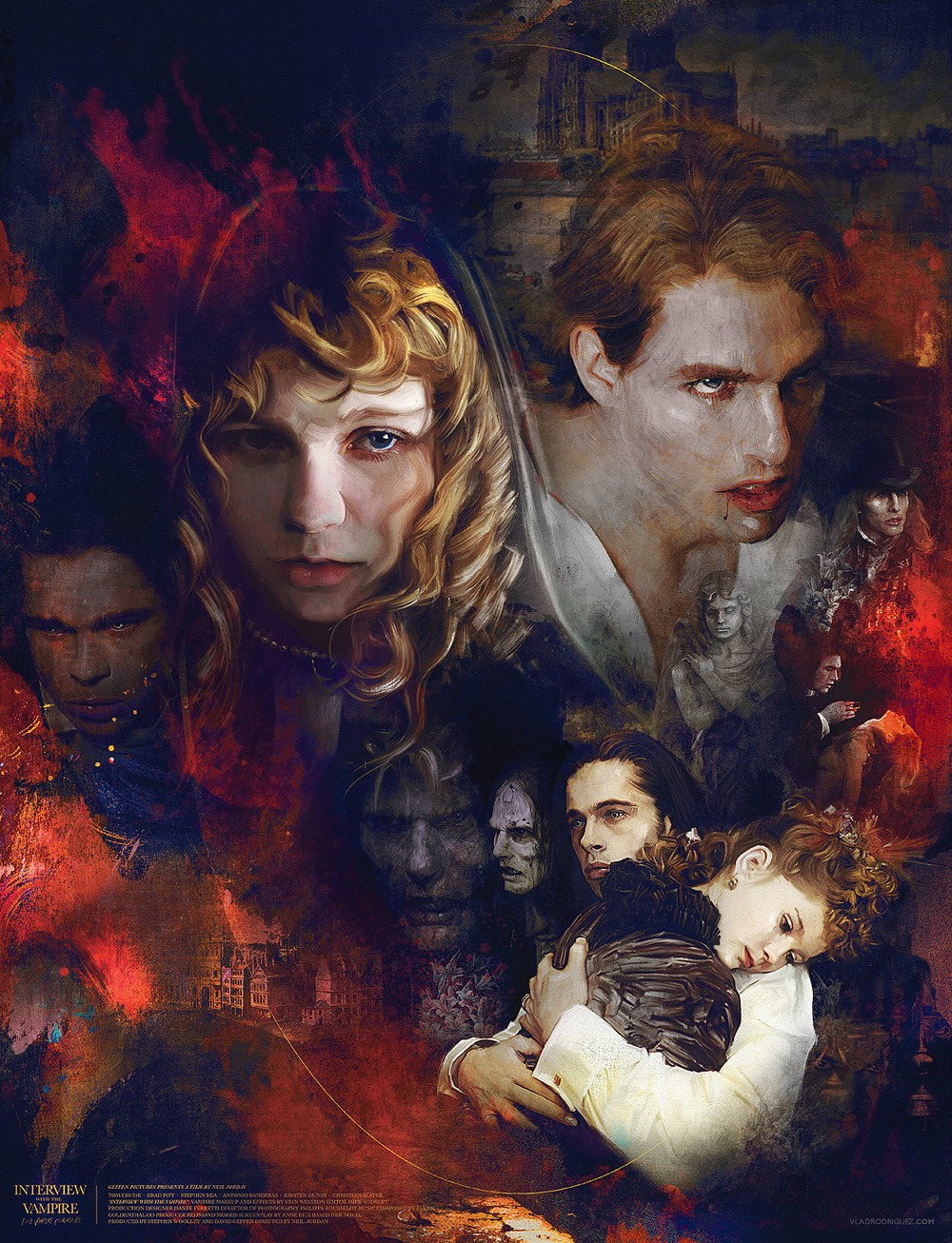
Celebrate 20 years of the iconic vampire thriller. 'Interview with the vampire' Print’s will be Available Here
Imaged posted by Vlad Rodrigeuz

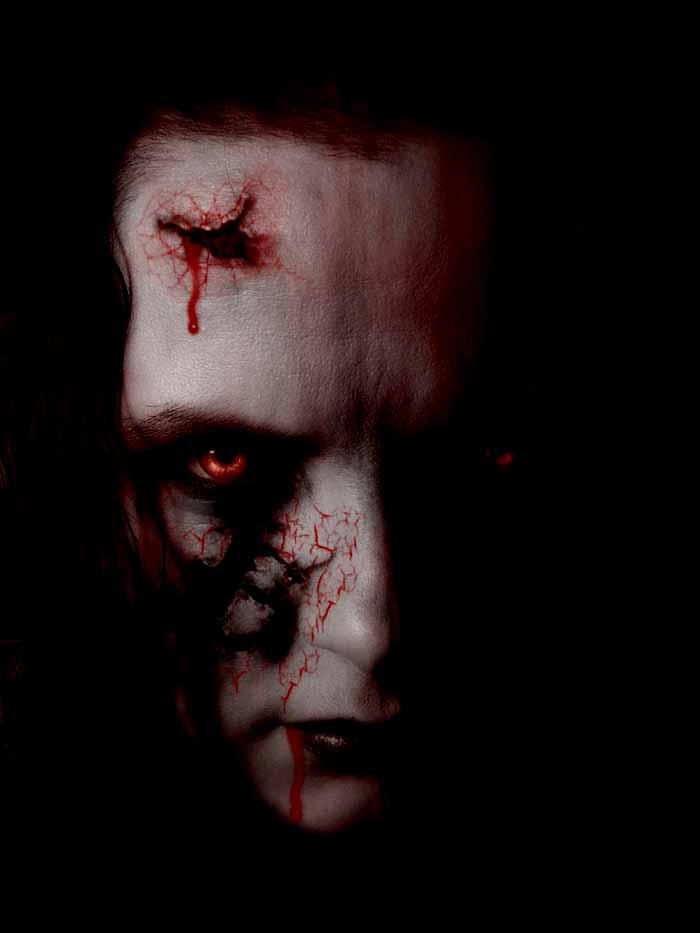
ISTJ (The Guardian)  - Vampires

ISTJs are calm, pragmatic individuals who, though they are more than capable of experiencing strong emotions, are able to keep themselves under control in most situations. This is comparable to the Vampiric coolness with which these creatures are often portrayed. Traditional depictions consider Vampires to be aristocratic and collected individuals who are so terrifying due to their never being concerned. After all, when one is immortal and able to overpower any human opponent, what does one have to fear?

Guardians often excel in multiple areas at once, making them jack-of-all-trades. Vampires are so wide and varied in terms of their portrayal and given so many different abilities and skills that the very idea of a Vampire fits into this idea. Furthermore, guardians are restricted by their own set of rules, much like Vampires are confined by the limitations of their condition, be they whatever they are, forced to live off human blood and remain inside during the day being the two most iconic. 


This concludes the third entry. In the final part, I will discuss the Diplomat personalities: ENFJ (Dryads), ENFP (Fae), INFJ (Angels), INFP (Muses).

Thanks for reading!

Sunday, 29 June 2014

Death and Desire: Vampires and the Seven Deadly Sins

Though I have some more MBTI-related content in mind, I have devoted a lot of time to that over the past few months, so I think it is time for a little break.  

So recently, in anticipation of the final season next month, I have been using the SkyTV Box Set service to watch True Blood. Though not perfect, I have enjoyed the series so far (I am currently midway through the fifth series). This combined with the Steam Summer sale, which has allowed me to download the Skyrim DLC Dawnguard, has meant that I have been assailed with Vampires, both by the TV and on my computer screen.

In immersing myself in both of these top-quality pieces of entertainment, I have begun to reflect upon the Vampire mythology and what thinking about them might be able to say about us, as human beings, especially where the dark portions of our psyche might be concerned. When it comes to discussing the dark motivations of mankind, a good place to start is with the system of the Seven Deadly Sins, used in some branches of Catholic Theology. 

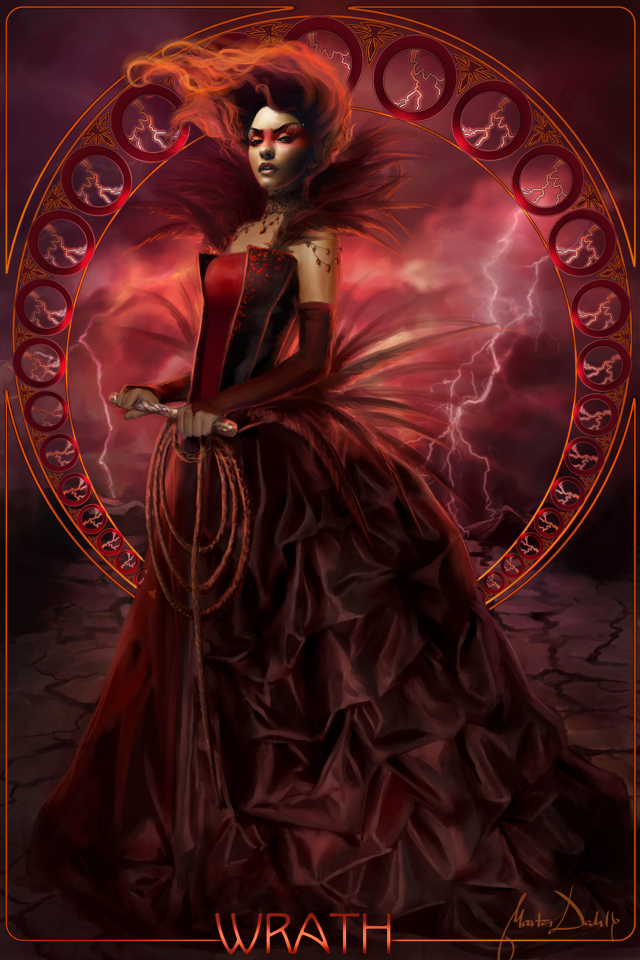
Image by dahlig

For those unacquainted with the system, it seeks to categorise human misconduct into one of seven categories, in order to provide moral clarification for those wishing to avoid transgressing. Whilst Catholicism describes the sins in reference to God, one need not be a believer in order to make use of the system, for they can have a role in a secular ethic, though that is another blog entry entirely. 

Vampires in many ways embody several of these cardinal sins, though naturally different representations provide different emphases. Of course, there are a multitude of varying vampires in popular culture (not to mention classical literature and folklore), meaning that one could immediately be sceptical of trying to discuss vampires in general. But there are certain common traits when it comes to Vampires, and it is those traits which I shall be using above those attributed to them by any particular incarnation.

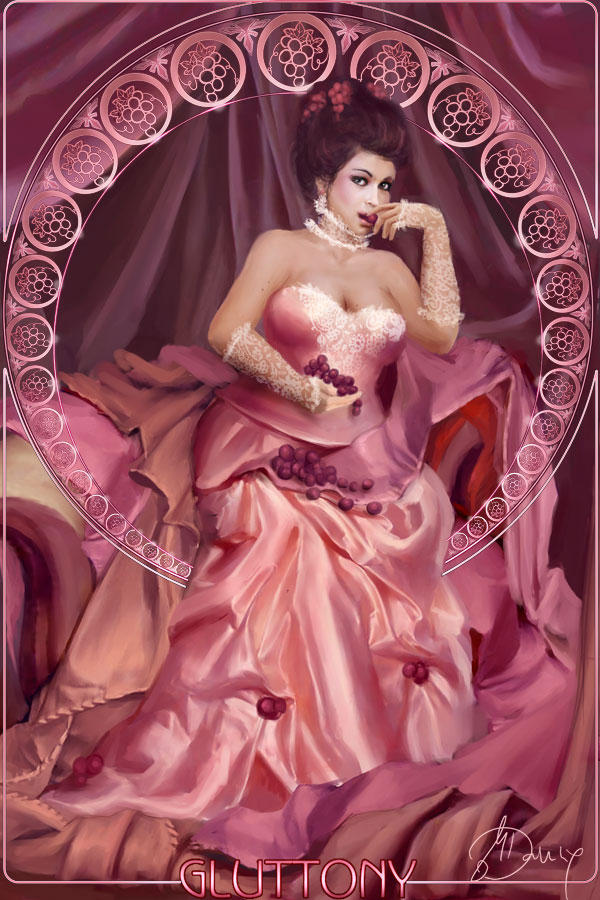
Image by dahlig
Gluttony

Vampires feed on blood. That is perhaps their most central quality, considered to be even more intrinsic to them than, for example, their inability to walk in sunlight. More modern representations of Vampires include examples of those who can walk around during the day, but none, or at least not one of which I am aware, has even shown a vampire who does not require blood in one way or another.

Furthermore, the vast majority of Vampires are defined by their need and desire for it. Without the blood (in most representations) they would die, true, but they are more often than not depicted as finding the act of drinking the blood of the living as exhilarating. Defining Vampires by their desire to consume endless amounts of blood has clear links to the cardinal sin of gluttony, which can be defined in several ways. The overconsumption of food or drink is the most common definition and, whilst some Vampires may need to consume vast quantities of blood, the fact that their consumption is excessive when compared to that of a human is enough to link their appetite to gluttony. 

Furthermore, their hunger is more often than no depicted as something that is very hard to control, even if the Vampire in question is in possession of an extremely strong will. Should the temptation become too much, their humanity leaves them, as do their wits and they enter into a frenzy to consume and drink more and more. This goes beyond the sin of gluttony and hints at something more primal: the fact that humanity retains something of their original animalistic nature beneath the surface. 

This leads us to the second sin...

Image by Procrust
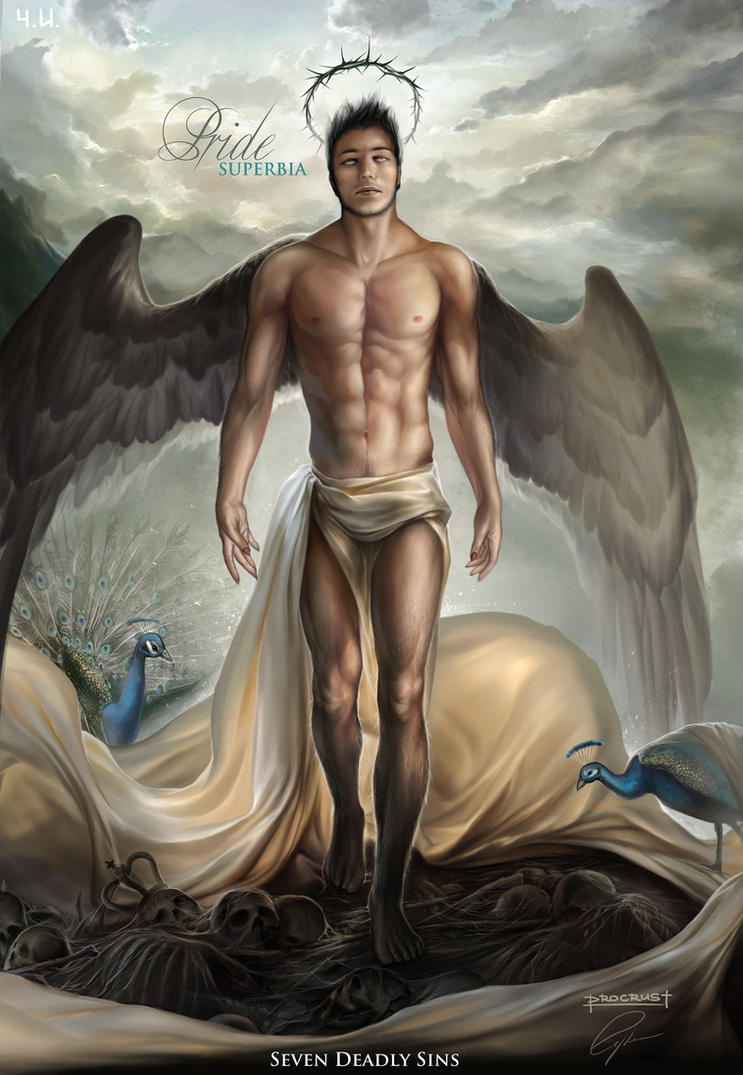
Pride

The so-called route of all other sins, Pride is perhaps one of the most ephemeral and difficult to define of the sins, though this is what makes it so insidious, and so difficult to control. When the sins are used as a story telling device, Pride is often treated as being higher in the hierarchy than the other sins and often gains its strength from a pathological ability to manipulate and deceive its enemies. 

The first Vampiric quality which can be tied to this deadliest of sins is the hunger for blood, though this depends on the Vampire in question. On one reading, the attempt to control such a hunger could be seen as an arrogant assumption that an individual is able to change their own fundamental nature, though such a reading could be replaced with one which would cast the attempt at self-restraint in a far more heroic or poetic light. Furthermore, not all Vampires strive to control their hunger, with many of them, certainly in settings where the Vampires are exclusively villains, instead give in to their infinite hunger. 

Secondly, is the Vampiric quality of immortality. A staple of the Vampiric legends is that they are undead immortals, able to live endlessly unless they are slain, the method of which depends on the story. Indeed, in most representations, Vampires are often depicted gloating about their deathlessness, regularly doing so whilst degrading human characters through labelling them as little more than food or cattle. To claim immunity from death, to oppose what is often considered to be the natural order, that seems to be to fit perfectly into the category of Pride. 

Of course, one could easily turn the narrative on its head, instead claiming that Vampiric immortality is a great human achievement, but not one which is overly proud. I would personally disagree, for whilst there may be humble Vampire characters (I am in no way claiming that any of these sins apply to all Vampires, only to the concept of Vampirism in general), the act of rejecting ones own mortality through becoming undead seems to me to be bound up in the concept of Pride.


Image by Procrust
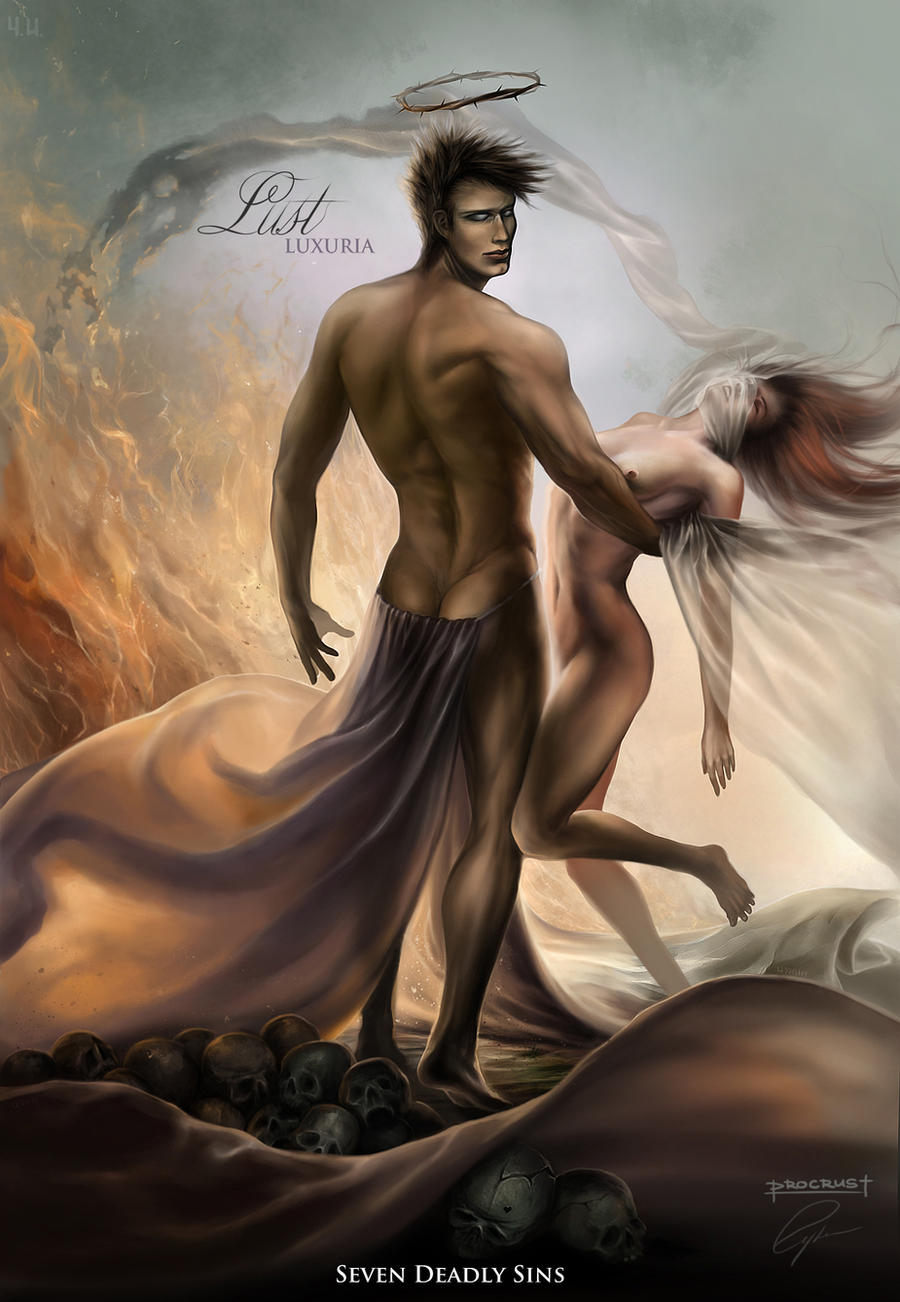
Lust

Our final sin will come as no surprise to anyone who has seen anything produced upon Vampires in the last decade, for modern representations of Vampires seem to be unable to avoid turning them into beautiful, and seductive, far removed from the more traditional legends. A whole subgenre of literature named "paranormal romance" has sprung into being in recent years, rocketing to popularity with the polarising Twilight Saga and its like. So many of these romances claim to be exploring how Vampires, modern culture and modern relationships would interact, though most only manage to place the three elements together, before then descending into works which focus over-much on sexualising these creatures.

Through representing them as eligible for romantic attraction, though through persisting in representing them as outsiders and rejected (or, in the case of True Blood, making the task of their integration a central feature of the plot), they are transformed into paramours and used to represent forbidden desires. Lust as a sin was, in some traditional interpretations, intended to include any kind of sexuality, outside that of the marital bed. In a more modern and liberal understanding of it, it would be better to include certain kinds of deviant sexualities (with animals or corpses, for example) as well as overindulgence in otherwise health sexual activity. Vampires are literally dead. They are fundamentally outside of the norm, they are the forbidden, the tainted. This is how they link to lust. 

It may be the case that the sexualisation of Vampirism is something that can be solely blamed on modern culture, though I think this would be an overly simplified approach. There are a large number of traditional Vampire legends which speak of supernatural seductive abilities, though very few of these actually portray the Vampires as being attractive, instead saying that they needed to rely upon their supernatural powers in order to trick mortals into becoming their willing prey. Traditionally, they were less sexualised, though even in Bram Stoker's Dracula, there is a hint of desire between Mr Harker and Dracula's brides. So perhaps we can argue that Vampires are more sexualised in modern culture than they used to be. But then again, isn't everything?


So there you have it, some examples as to how Vampires can tell us of the darker portions of humanity. Naturally, this is in no way comprehensive, and there is a lot more I could say on this topic. Perhaps I shall, but that is for another entry. I hope you enjoyed reading.

Image by ro0t