Showing posts with label Fantasy. Show all posts

Sunday, 16 August 2015

Hemlock Grove - Typology

Though reviews have been mixed, the Netflix series Hemlock Grove holds a special place in my heart. I am not sure whether it is simply the weird melange of various horror elements, or if it is just the disturbing essence of something that lurks beneath the service, unspoken by characters who are not quite aware of it themselves, but I have lapped up the first two seasons, begun to read the novel and am awaiting the third, and final season, with great anticipation.

For those of you who have yet to hear of this series (for something Netflix has made itself, it has seemingly not made much of a fuss about it), I would undoubtedly recommend it. The series begins in a small Pennsylvania town, which suffers a terrible string of murders: young women found savaged by some unknown beasts. A young Roma boy, the scion of a wealthy household and a whole cast of other characters seek to uncover the truth. Of course, everything is embedded in the supernatural it a wonderfully dark mixture of tropes and concepts from gothic horror integrated into a modern setting. 

Anyone who has not seen the series can do so on Netflix, but do be careful about reading this entry. There will be spoilers

So, given my interest in identity, particularly MBTI, and my love for the series, it was only a matter of time before I prepared an entry on its characters. Thus, without further ado, here are my MBTI analyses. 


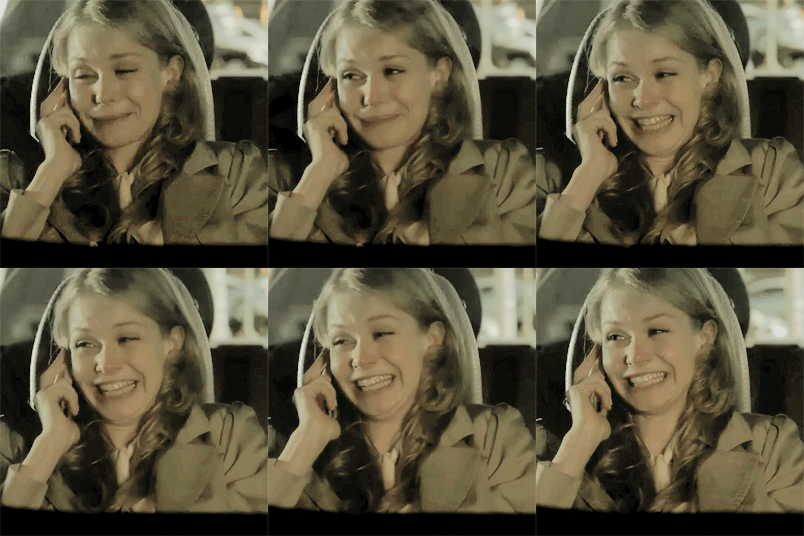
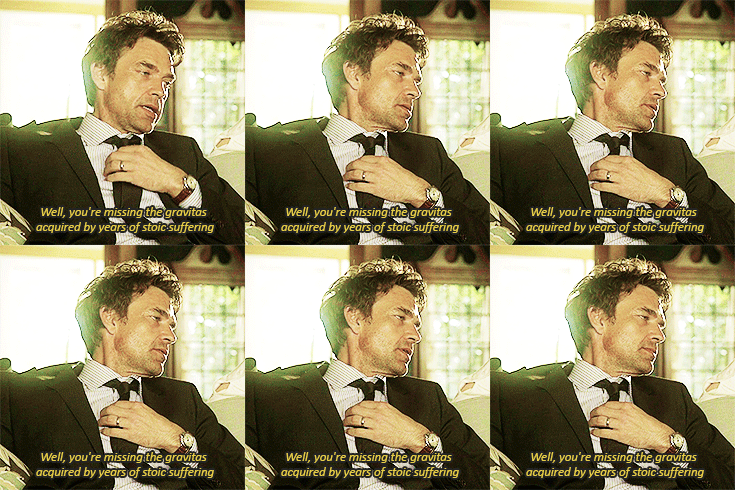
Image shared by amor-da-poeta

Peter Rumancek - ISFP (The Composer)

Above all, Peter's actions are informed by a strong sense of self and personal values, formed through this self-hood and through the environments through which he has lived. Having been raised as a Roma, he has internalised the values of these people (or at least the values as they are represented in Hemlock Grove). This is where his sense of self stems from, those he deems to be his people: his family. Familial ties are more important to him than anything else and Peter truly cares about those whom he considers to be part of his inner circle, which eventual begins to include Roman, Letha and various others. He is willing to do whatever it takes to help his mother when she is imprisoned, even at expense of himself. This demonstrates a strong Introverted Feeling (Fi). This is very much followed by Peters perceptiveness. Peter notices things and is appreciates novel sensations and experiences, such as his love of exploration and always wanting to see what is beyond the horizon. This is his Extroverted Sensing (Se). Of course, Peter has access to a whole world of symbols and hidden meanings, through his dreams. Though his ability to decode them is relatively undeveloped, he is led by gut instincts which guide him at key moments, this being demonstrable of Introverted Intuition (Ni). Finally, Peter's inferior function, Extroverted Thinking (Te) comes forth in his impulsive behaviour and general inability to plan ahead. Even when he tries to prepare in advance, things tend to go awry. These functions lead Peter into being an ISFP - the Seeker and Keeper of Human Values. 


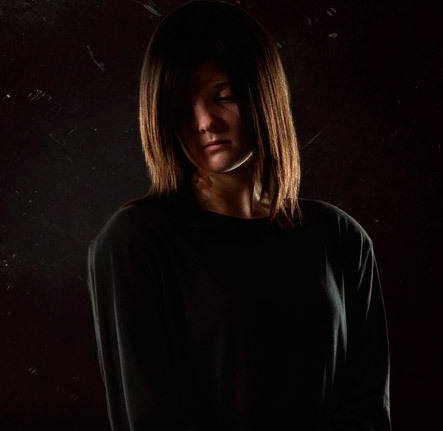
Image shared by thewisestwolf

Roman Godfrey - ESFP (The Performer)

Scion of the Godfrey family, Roman overindulges in physical sensation. Sex and cigarettes form a huge part of his lifestyle, and he has a predatory attitude to his relationships with women, often using some of his latent supernatural abilities to coerce them into giving themselves to him. He always seeks out novel sensations in which to indulge himself, and has developed quite the appreciation for the finer things in life. This is demonstrative of a dominant Se. Following this is Fi, for Roman has extremely strong feelings for those whom he is close to. He adores his sister, Shelly, his cousin Letha, and holds his mother with increasing contempt as the season progresses. As the story progresses, the intensity of his bond with Peter increases until Roman is almost dependent upon him. Most people pass him by without him caring, and he only takes his feelings out on others if they are pent up, and usually through physical means (sex and violence), hearkening back to his Se. Roman is not the most proficient planner, though his tertiary Te expresses itself through his ability for force his will upon the eternal world. This manifests through his powers, which always take a toll on him and leave him reeling, but which do enable him to make others do as he wishes. Finally, Roman's life is hugely influenced by visions, images and symbols, a hidden world which he has intense connection to, yet cannot fully understand. This is his inferior Ni, allowing access to, but not full appreciation of these hidden mysteries. Roman struggles with the things he sees in his dreams, far more than Peter, and while informed by gut instinct, less so than Peter. For these reasons, Roman is an ESFP, the Motivator Presenter.

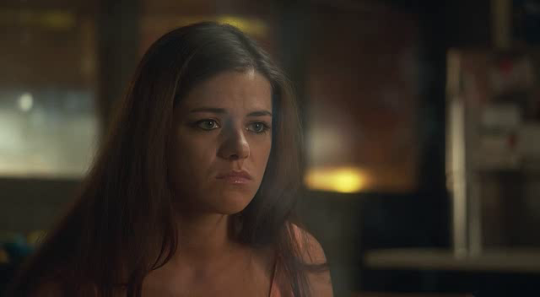
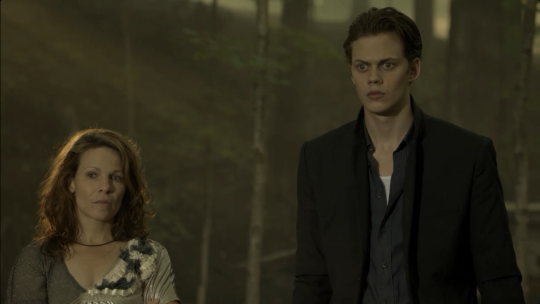
Image shared by ossafracta

Letha Godfrey - ESFJ (The Harmoniser)

Above everything, Letha cares for others and wants to ensure that everyone is getting along. This care is not reserved for people she is close to, but for everyone. She offers emotional support to those who have witnessed the terrible murders, even though she is not close to them. In doing so, she specifically offers her support, as an aide, someone to listen. Her emotions likewise change depending upon whom she is with. She picks up on her father's stress when he drives her home from the clinic and immediately seeks to reassure him. When she goes into labour, she wants above anything else to support those around her, even though she is the one having the experience. These all demonstrate a dominant Extroverted Feeling (Fe). Secondary to this is her Introverted Sensing (Si), for Letha is very much informed by her past experiences. The lessons her parents have taught her stick inside her head and she does not rebel against them quickly. When her father tells her to do something, she might complain and object, but she often does it. She has learnt many lessons and is able to use her experiences to inform the present. Despite her relative ignorance as to the supernatural elements in the series, Letha is able to spot connections quickly and is able to pick up on unspoken problems and tensions, even when people are trying to hide things from her. Furthermore, she does not shy away from these potentials, instead earnestly wishing to learn more about them. This is her tertiary Extroverted Intuition (Ne). Finally, Letha's inferior function is her Introverted Thinking (Ti) and she does not spend much time trying to organise her own thoughts. This leads to a feeling that often she is bumbling through the world, rather than organising everything in her head, for she is guided more by emotion, care and her own experiences than abstract reasoning. Thus, Letha is ESFJ, a hostess of the world.

Shelly Godfrey - INFP (The Idealist)

Largely due to an oppressive upbringing and an inability to vocalise her thoughts, Shelly has been forced to live in a world entirely her own, internalising everything. This has undoubtedly led to the formation of her dominant Fi. Shelly has a very small inner circle of people about whom she cares, yet she is willing to do anything it takes to protect and help them. Take, for example, her actions in protecting Peter, Letha and Roman, actions which led to her getting shot. Furthermore, with Roman, she cares for him so much that she literally glows with happiness when he touches her face. Shelly demonstrates a wealth of inner emotion. For instance, when she is corresponding with her uncle, she is verbose, clear and extremely expressive. Following this is her love of ideas. Shelly reads and paints and seeks many ways of absorbing and exploring, even if she is unable to go out into the world and seek her own place, she demonstrates an auxiliary Ne in her interest in novelty. Shelly is driven by a want to understand things and to do so from new perspectives. She has, however, absorbed many lessons from her experiences, particularly those with her mother, Roman and Dr. Pryce She has taken these lessons to heart and they certainly make her more cautious when encountering new things, particularly in the flesh. This is her Si. Beneath is all is her Te, which is undeveloped and prevents her from being able to get the wealth of thoughts within her into the outer world. The constrictive environment of her life and that those around her constantly strive to control her means she struggles to affect her environment as she would like. Due to this, Shelly is an INFP, making life kinder and gentler.

Destiny Rumancek - ENFJ (The Teacher)

Much like Letha, Destiny wants to ensure that those around her are safe. Of course, she cares about her family, particularly Peter, more than she does others, yet at the same time she demonstrates a wealth of care for those she is not so close to. She cares about Roman, even though she has many reasons not to, and goes out of her way to help him and Letha. Destiny faces great risk, often her own powers, in order to protect those around her. She bares the risk because she cares and she cares without much discrimination. This, and her willingness to forgive (not to mention her ability to manipulate others), are the marks of a dominant Fe. Of course, second only to her compassion is her immersion within the world of hidden meanings and symbols. Her mystical side allows her access to a whole realm of representations and messages and it is her task to not only understand them, but also to take instruction from them. This visions enable her to see the world as she wishes it to be and then she has to make it happen. This is her Ni. Destiny has a physical side. She enjoys pleasure and sells a diluted version of her gifts to the public, which a fair amount of farce. Furthermore, she has style and wants to present herself properly. This is tertiary Se. Finally, we have an inferior Ti. Destiny lives in a world of emotion and instinct, not in an analytical dominion of logic.Thus, Destiny is an ENFJ, the Envisioner Mentor.

Image shared by godfreygifs

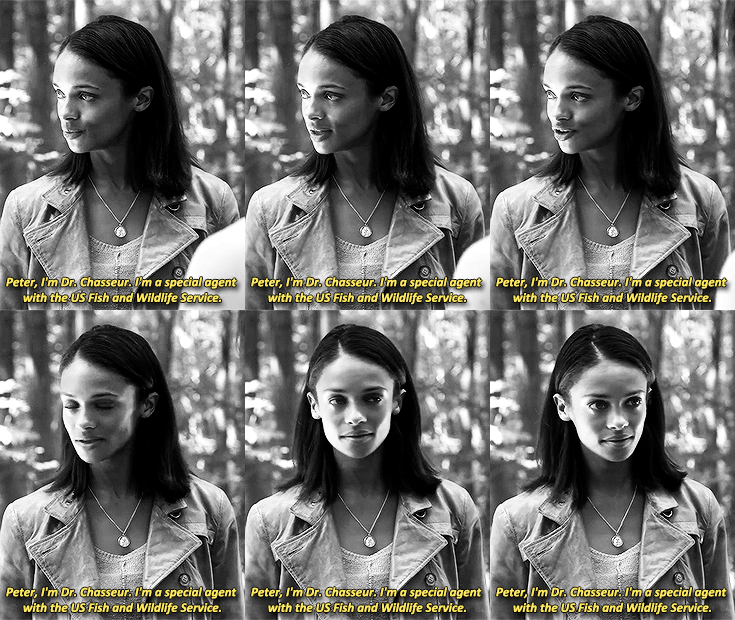
Clementine Chasseur - INTJ (The Mastermind)

A member of the Order of the Dragon, Clementine has adopted their principles and thus has a clear understanding of the way in which the world works. She has been imbued with a vision, the image of a world in which the supernatural and the mortal are somewhat able to coexist, provided that werewolves and upir keep by the pact parisienne. Of course, she struggles with this, often seeming to want to simply purge the world of those which she views as beasts. Yet her faith remains strong and she follows the inner pull to create this vision of the world: her dominant Ni. Furthermore, Clementine is able to take her inner vision and shape the world before her accordingly. Her rigorous training enables her to plan and wait patiently for the correct moment to strike. Though she has her impulsive moments, Dr Chasseur plays the long game, biding her time until the best moment to further her long term plan. This is her auxiliary Te. Her tertiary function, Fi, manifests through her personal values and beliefs, which determine much of her morality. Clementine keeps a lot to herself, unwilling to reveal herself to those who are not extremely close to her. So emotionally insular, she is told that all she knows is how to take, she is unable to give. Underneath everything else is her inferior Se. Clementine is known to indulge herself in her pleasures, one of them being women, another being drink. She has a somewhat addictive personality, demonstrative of an undeveloped Se. Thus, Chasseur is an INTJ, one of life's independent thinkers.

Image shared by neymalia

Norman Godfrey - ISFJ (The Protector)

Defined by traditions, Norman is dominated by his family name and his past. He is a relatively cautious man, slow to change and dependent upon the lessons he has learnt over his lifetime. Certainly, Norman is led by experience, rejecting out of hand gut instincts and visions, refusing to believe his own daughter when she claims to have been impregnated by an angel. He has certainly internalised the scientific method of a slow and steady approach to life and its sensations. This is his dominant Si. One of the few things that breaks him out of this caution, however, is protecting those he cares about. Truly, he has an inner circle of people for whom he would die if he had to, but Norman is far more caring generally and genuinely wants to help people. This is, after all, why he became a psychiatrist. This is his Fe. Norman possesses a tertiary Ti, which secures him as a consummate scientist. He is dismissive of visions and the paranormal, wanting a logical explanation and it takes him a long time before he is able to wrap his head around some of the things which are going on in his town. His rationality is a personal one, however, and he is more than willing to allow others to get on with their own lives, and is even willing to support people who are different from him. Finally, we have the inferior Ne, which imbues Norman with a niggling curiosity, the likes of which often get him into dire straights. A man fascinated with ideas, Norman Godfrey is always interested in novelty, yet he is tempered by his natural caution. Therefore, Norman is an ISFJ, service before self.

Image shared by anotherbrokenavenue

Lynda Rumancek - ESFJ (The Harmoniser)

Undoubtedly the better mother of the series, Lynda is largely defined by her position as a mother. This role leads her into her unlawful activities, for above all she wishes to create a life for herself and her son. Her ties to the other Rumanceks are not inconsiderable, but she cares far more intensely for Peter. However, it should be noted that Lynda's dominant Fe manifests in the readiness with which she expresses concern for those around her, particularly those of whom she is initially suspicious. Though she keeps some distance from them, Lynda comes to care for Roman and Letha, even expressing some concern for Olivia, though this is quickly replaced. Lynda isn't stereotypically kind, instead she is more concerned with maintaining harmony and protecting herself and those she cares about. This is demonstrated in her willingness to make a deal with Olivia, though she disapproves of her methods. Throughout her life, Lynda has experienced much as this manifests through her auxiliary Si. She has memorised many tips and tricks, having spent a life on the run from the law. When presented with a problem, Lynda knows how to respond and she had learnt well the need for a contingency plan. Tertiary is her Ne, for Lynda shows a great ability to think on her feet and overcome challenges unconventionally, though these methods are all informed through her previous experiences. Less of a concern for her is inner, logical consistency, manifested in an inferior Ti. Lynda is wonderful at many things, though she does not spend much time organising her inner thoughts. Thus, Lynda is ESFJ, everyone's trusted friend.

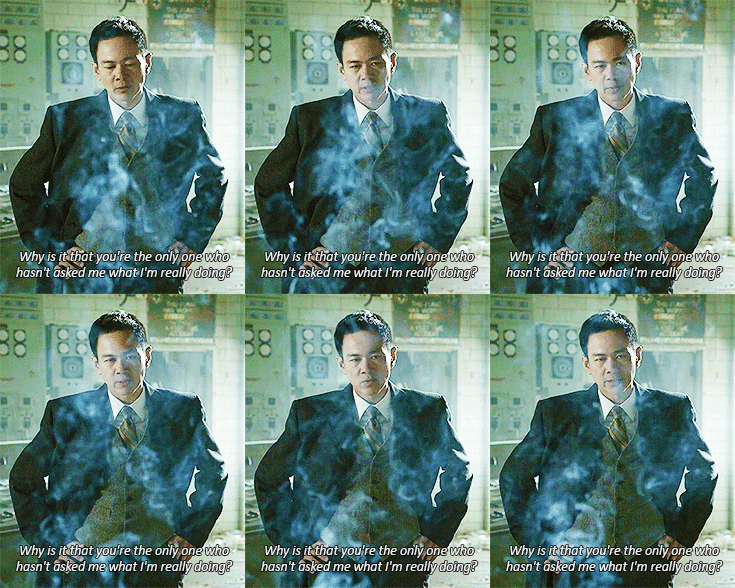
Image shared by hemlockgroveaddict

Dr Johann Pryce - ENTJ (The Commander)

Pryce is a man of vision: he foresees a world in which technology and science has overcome what he deems to be perfectly malleable barriers to human advancement. Death, life, all such things are there to be bent and controlled and manipulated by his intellect, but he is not blindly exploring for the sake of it. No, Johann wants to advance himself and prove what can be done. He views his science as greater than a world of myth and superstition with lycanthropes and upir both easily explained by his work...which can also serve to overcome them. His ability to plan and meet deadlines (but also his being so limited by them) is indicative of a dominant Te. Johann thinks of something and the world must bend to accommodate his will. Very little can stop him. These plans are fuelled by an inner vision, a determination for a future state which he wishes to bring into being. This is his auxiliary Ni, granting him a purpose, a vision for how he wishes to see the world. His wishes to become a renowned scientist, to do things that no other human being could dream of doing. It is this sense of directed purpose which filters up into his planning. As a man of science, Johann must be attentive to the state of things as they are and this is his Se: his tertiary function. Before he acts, Dr Pryce watches with keen eye, capable of noticing the most minute of details before synthesising things as they are with how he wishes them to be. Finally, we have Johann's Fi, his emotions, which are kept under control and largely ignored. However, when he grows angry, Pryce shows his anger through acts of violence. Of course, he is not easy to anger, for his feelings are his own, relatively unaffected by the acts of others. Thus, Pryce is an ENTJ, a Commandant Organiser. 

Image shared by lorastyrels

Olivia Godfrey - INFJ (The Prophet)

I am sure that many will disagree with my typing of Olivia. They will see Olivia and INFJ and immediately refuse it, thinking that there is no way she could be. Yet this is why I think she is quite clearly an INFJ:

Olivia plays the long game and her goals are her own. However, she pursues them without doubt and without falter, willing to do whatever it takes to attain her desired outcome: a perfect child, an heir. There have been many failed attempts, and each of these have been slain, by Olivia's own hand. The way in which she wishes to future to be is entirely defined by her inward sense of purpose, by her internalised superiority and complete faith in the role of the upir. This is undoubtedly the work of a dominant Ni. Even when threatened, not that much can truly harm her, her sense of purpose wins out. Following this is an auxiliary Fe. Although Olivia does not care for others, save perhaps for Roman, she demonstrates far too much awareness of the emotions of others for her to lack this function. She has managed to achieve so much in her life through playing others, through winning over their hearts and minds, inspiring them to adore her. The feelings of others are hers to do with as she wishes. Without her Fe, Olivia would never have achieved so much. Of course, Olivia never doubts herself, or her purpose and many of her rationalisations stem from her tertiary Ti, through which she can rationally organise the contents of her own intentions. So aware of the emotions of others, it is only through the potency of her Ni and the support of her Ti that she can be so cruel. Her Ti enables her to retain her sense of superiority, to rationalise her disregard for others and their infinitesimal lifetimes. Underneath all of these lurks her inferior Se. Undeveloped as it is, it leads Olivia into addiction and a need for the physical. This comes out her in her need to feed, her reliance upon drugs to retain her thirst and her seemingly insatiable want for the pleasures of the flesh. Olivia demands extravagance. Only the best music, food and lovers will do for her. For these reasons, Olivia is clearly an INFJ, fittingly known as an author, for it is by her hand that so much of the happenings in Hemlock Grove come to pass.

Tuesday, 12 August 2014

The Chosen Undead - Beneath the Surface

Welcome to my 101st entry and the second in my Beneath the Surface series. Today's character is going to be somewhat non-standard, as they are not a character in the traditional understanding of the term. Rather than being a thinking, speaking individual in their own right, the object of this entry never speaks and serves as little beyond the avatar of the player. Yet, I feel that there are several things we can say about him.

Due to the nature of this game and this character, some of what is said in this entry will be my own interpretation of things from the game, so I expect and encourage you to challenge me on some of what is written here. 

Without further ado, I introduce our subject of discussion: The Chosen Undead of Dark Souls.

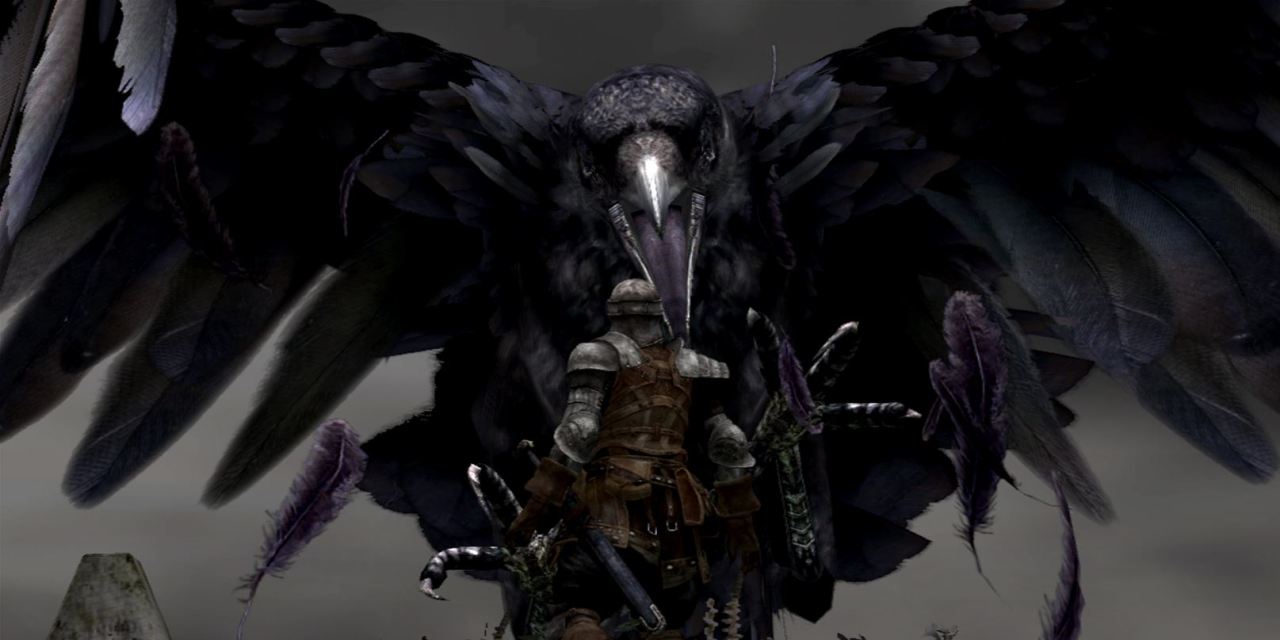
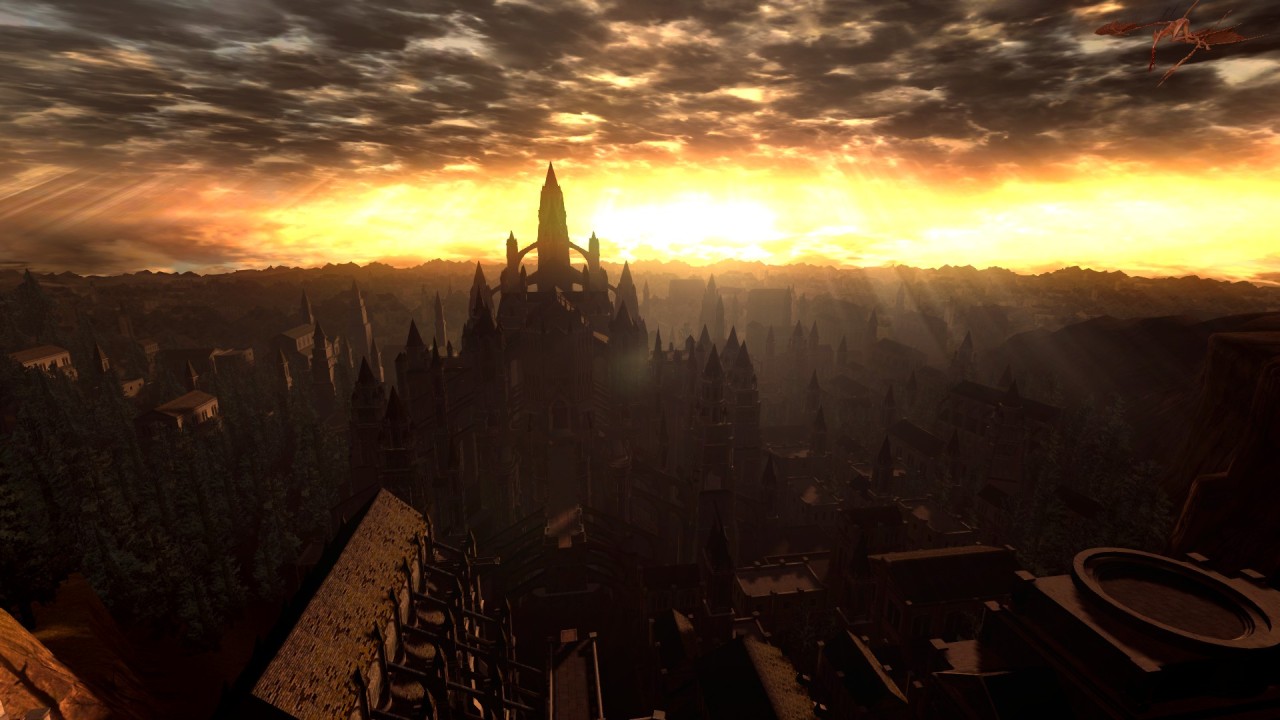
Image posted by Retro Time Attack

In The Beginning

When one begins playing Dark Souls, one quickly realises that the game gives you nothing easily and this works on two levels. Yes, the game is significantly harder than most others (at least for someone like me who plays games for the story whilst usually being absolutely awful at the mechanics (especially when those mechanics involve the possession of actual reflexes)) and it makes you work in order to progress, turning death into a mechanic for learning. However, secondarily, the story itself, the characters you meet and the lore of the world is never given to you in an information dump such as is evident in other roleplaying games like Skyrim (nothing against Skyrim, it is an amazing game, but the storytelling is rather straight forwards). Dark Souls is an incredibly rich game, leaving a huge amount of stuff open to interpretation by the player, leaving tiny little hints and facts, rather than presenting you with a single, complete narrative. 

So, you load up the game and create your character and then you are met with this...


After watching this introduction (which I personally think sets up the atmosphere perfectly) one immediately notes that your character only appears at the end, and is not mentioned in the voice-over. Aside from knowing that you have been led to the Undead Asylum, no history is given to your character. 

All that is known is that you are a human who has been branded by the Darksign, which has appeared on your flesh, marking you as undead. As an undead, you cannot truly die, instead awakening after each death by a bonfire, which is a piece of the First Flame, whence came the four Lord Souls, as stated by the introductory video. With each such resurrection, the undead begins to Hollow, a lengthy process in which the individual loses themselves, eventually passing a point of no return, when the undead is a mindless creature. Only once fully hollow can the undead be permanently killed. Hollowing can be postponed, however, if the undead acquires humanity, a black sprite (presumably part of the original Dark Soul found by the Furtive Pygmy) which represents human ambition, drive and purpose. In offering humanity to the bonfires, thus fueling the flames, an undead an reverse their hollowing. Thus, the undead have great incentive to gather as much humanity as they are able. 

The Silent Treatment

Apparently, the Chosen Undead was given no voice, save for the occasional grunt when wounded or slain, in order to allow them to become an "Everyman" character. Such characters have been used throughout literary traditions, especially when the story itself is being used as a kind of allegory. Commonly, everyman characters have little in terms of personality and background, allowing them to be equally empathised with by everybody and serve as placeholders for nobody in particular. Notable examples of this can be found in the work of H.P. Lovecraft, who uses such characters to represent humanity in general, which cannot begin to comprehend the Old Ones and various other creatures he presents in his Cthulhu Mythos.

I certainly think that we can read the plot of Dark Souls as allegorical to human experience, especially when it comes to the concept of the undead. The Undead are given, practically, eternal life and yet this is a curse to them, for it leads to their eventual Hollowing, losing themselves before they die. In order to prevent themselves from going Hollow, they must gather humanity, which can be understood as the spirit of determination. Furthermore, Hollowing is slowed, if not reversed, in those who have a strong purpose, who live for some cause.

Image posted by Lovelife-Bepositive

Likewise, in our lives, continuing to survive is, on its own, not enough. We need to live and that involves giving our lives some kind of purpose, even if that purpose is simply to seek comfort and pleasure. Indeed, some purposes are more noble than others, one could argue and one could argue that a whole branch of moral philosophy and ethics is devoted to analysing which purposes are worthy of devoting one's life to. 

Dark Souls provides a series of purposes your character can devote themselves to, though it does not attempt to evaluate them for you, instead allowing you, the player, to weigh the benefits of each. The end you devote your character to is what ultimately defines the Chosen Undead. 

We shall now devote some time to each such purpose in turn. 

Part of the Prophecy

During your flight from the Undead Asylum, the protagonist will encounter Oscar, a knight of Astora, the individual who throws the hollow corpse into your cell, granting you the key and a chance at freedom. Originally intended to play a greater part in the story, Oscar's role changed during development, leading to his death during your attempt to leave the Asylum. However, before he dies, he says something important to your character.
"Thou who art Undead, art chosen...In thine exodus from the Undead Asylum, maketh pilgrimage to the land of Ancient Lords...When thou ringeth the Bell of Awakening, the fate of the Undead thou shalt know"
Oscar introduces this to the player as a saying that has been passed down through his family, though it does not take a keen eye to note that this mere 'saying' has prophetic undertones. So begins your journey and several of the characters you shall meet seek to encourage you to follow this prophecy.

The general gist of the prophecy is that the Chosen Undead shall make pilgrimage to Lordran (the land of ancient Lords) and ring the bells of awakening and thus open their way to Anor Londo, the City of the Gods, where the Chosen Undead can receive the Lordvessel from Gwynevere, Queen of Sunlight. This Lordvessel can be filled with power souls, notably those of the Witch of Izalith and Gravelord Nito, to open the way to Lord Gwyn, who has given himself to the First Flame in order to preserve it for a little longer. Ultimately, the prophecy declares the Chosen Undead to be the one who will defeat Gwyn, who has become Hollowed, and who will then, in turn, give themselves to the First Flame, linking it and allowing the Age of Fire to endure a little longer.

I bequeath the Lordvessel to thee.And beseech thee. Succeed Lord Gwyn, and inheriteth the Fire of our world.Thou shall endeth this eternal twilight, and avert further Undead sacrifices.

Thus, we could read the Chosen Undead as simply that, an individual who is destined to fulfill the prophecy and sustain the Age of Fire. If so, your quest is a righteous one, your intentions pure. On this reading of the Chosen Undead, they are seen as a paragon of what is expected of them, devoted to others, stereotypically (one might say) good. Naturally, it ties with religion, as linking the First Flame empowers those Gods who have fled from Anor Londo, possibly allowing their return, as well as playing into the hands of Gwyndolin, the great manipulator, God of Moonlight.

Furthermore, in linking the First Flame, the player gives up their very life, dying for the world. An act one could quite easily compare to a certain Messiah from Christian theology.

Oscar, Knight of Astora
Oscar gave his own life trying to serve as a catalyst for Prophecy.

One could view that Chosen Undead who pursues this purpose as a champion of the status quo, or as one who restores the world to a state of Light and prosperity, even if there exists this rigid hierarchy in which the Gods rule over humanity. They can be seen as an individual who stands against the corruption of the Abyss and of uncontrolled humanity and darkness.

Or, one could view them as the pawn of prophecy.

The Liberator / Scion of the Dark

The prophecy states that the Chosen Undead shall defeat Gwyn and link the First Flame, allowing the Age of Fire to continue and the power of the Gods to endure. Yet, all this talk of Prophecy and Pilgrimage and setting oneself aflame, all of it could quite easily be propaganda, a tool the Gods (in particular Gwyndolin) are using to trick a powerful undead into sacrificing themselves in order to restore their power, allowing them to retain their dominance over humanity.

"Your ancestor claimed the Dark Soul and waited for Fire to subside.And soon, the flames did fade, and only Dark remained.Thus began the age of men, the Age of Dark."

Certainly, Darkstalker Kaathe thinks so, encouraging the Chosen Undead (should they meet) to defeat Gwyn and like the First Flame die, ending the Age of Fire and ushering in the Age of Darkness (which is interestingly called the Age of Man). It is argued that this is the natural course that the world must take, that all fires must die and that all lights must go out, so why prolong the wait for the inevitable? Why defy the course of nature?

You must destroy the fading Lord Gwyn, who has coddled Fire and resisted nature,and become the Fourth Lord, so that you may usher in the Age of Dark!

Thus, the Chosen Undead can be responsible for ending the Age of Fire, allowing the power of the Gods to die, allowing the world, as we know it, to come to an end.

Perhaps we should read this Chosen Undead as the true hero, for they liberated us from the influence of the Gods, freed us from their tyranny, evened out the playing-field by removing their power and allowing us all to become equals. 

And yet, we can see clearly from Oolacile what becomes of humans afflicted by the unchecked corruption of the Abyss. They are no longer people, but monsters, twisted and abused. So overwhelmed are they by their own humanity that their bodies become hideously altered and warped, more monster than human. Without the light of the First Flame to keep the darkness of the Abyss in check, what is to stop the same fate befalling all of us?

Bloathead Sorcerer
This is what becomes of those humans who fall into the Abyss.

Thus, perhaps we should consider such a Chosen Undead to be the ultimate nihilist, rather than a hero. 

The Explorer

Perhaps the Chosen Undead does not devote themselves to prophecy, yet does not take the approach of staunchly opposing it. Instead, they simply seek answers, searching everywhere, killing those which get in their way if they have to, yet otherwise sowing no unnecessary harm. Through gathering the pieces of the puzzle and assembling them into a picture of the world, the Explorer is able to understand what is going on and ultimately discover what their place in this world can be.

I would consider all players to exist as Explorers at one point or another. Starting a game with little context and without much to guide you beyond the cryptic hints given to you by strange NPCs tends to leave one very much in the dark. All this talk of prophecy and of being Chosen can seem to ring very hollow (no pun intended) when one knows nothing of the world, nothing of who you are and how you link to that which is going on outside of Lordran. 

One must understand the world before one decides whether or not it is worth saving. 

With no context given, the character thus begins the game with no external ties, and thus nothing to define them beyond those options selected at character creation. Your gender, appearance and general skill-set is yours to chose, but as for where you came from, who you are, nothing is provided, thus you must chose who you are solely through your actions in the game.

A character who becomes a true explorer, one who passess through the world on a never-ending quest to amass as much lore as possible will eventually have to kill to get it, thus tying them to the fourth and final kind of Chosen Undead. 

Image posted by Unforgettable Gaming Moments

The Egoist

Caring little for prophecy or lore, the Egoist is the Chosen Undead who quickly realises and embraces that the more things they kill and defeat, the more power they gain for themselves. Thus, this is the purpose they strive for: bettering themselves at the expense of others. They strike down all they encounter, as soon as they have no more use for them, gorging themselves on souls in order to augment their own powers. 

In truth, there is little difference between such characters and the Hollows and Demons they encounter, for all are but seeking to increase their own strength without any great end in sight (one could argue that the demons indeed to have some further end (the protection of the Chaos Flame which birthed them)). 

Such Chosen Undead are a bane to everything they meet, for they consider all things to be a means to their own end. Their morality is severely lacking, for they have not a shred of empathy with those they encounter, rarely stopping to consider the implications of what they are doing beyond whether or not they could be more effective at that which they are doing. 

Image posted by Unforgettable Gaming Moments

Thus, we have the four archetypal identities of the Chosen Undead.

Thanks for reading!

Thursday, 7 August 2014

Morrigan - Beneath the Surface

Welcome to a particularly special entry! It is with no small amount of pleasure that I announce that this here is the 100th, published entry of Counting Reflections, which has been running for about four years. Honestly, I am rather pleased with myself for having reached this number of entries, but hope that I will be able to reach 200 in less than four more years. Here's hoping!


Considering my fascination with identity and all of its nit-picky little aspects and incarnations, not to mention its dire complexity and strangely stubborn-yet-volatile nature, and given that I have discussed identities on here before, I thought that a nice idea would be to delve deeper into these topics and do a whole series of character analyses, devoting an entire entry to the character in question, putting them "under the microscope" to examine them as comprehensively as I can.

Unlike the MBTI series, this series of entries will not have a clearly marked beginning and end, nor will I attempt to cover all characters from a given series. Instead, I shall pick the characters I most wish to write about, when I wish to write about them, though suggestions are always welcome! 

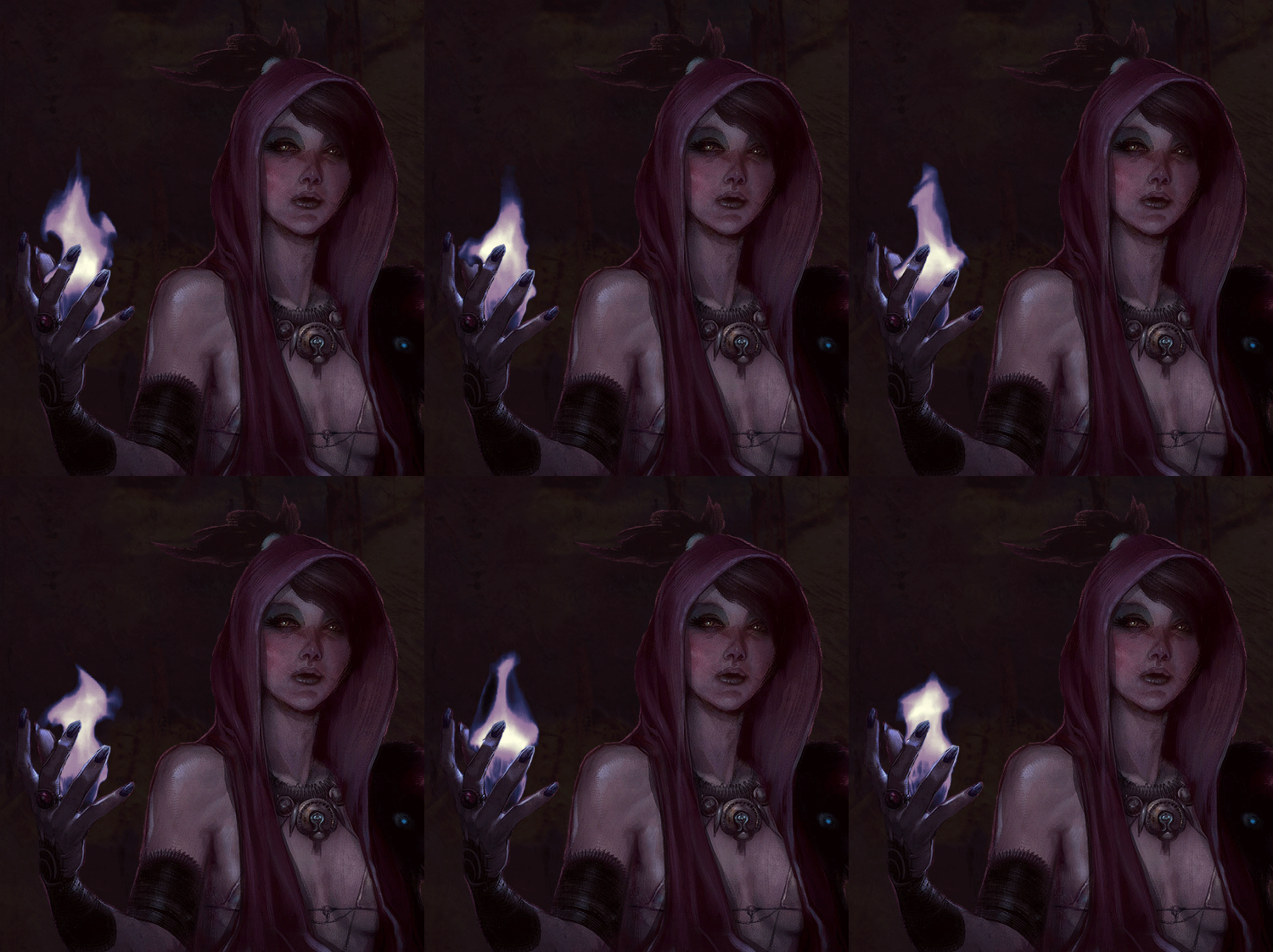
Without further ado, let me introduce the first character to be discussed in what I shall call my "Beneath the Surface" series: Morrigan of Dragon Age: Origins.


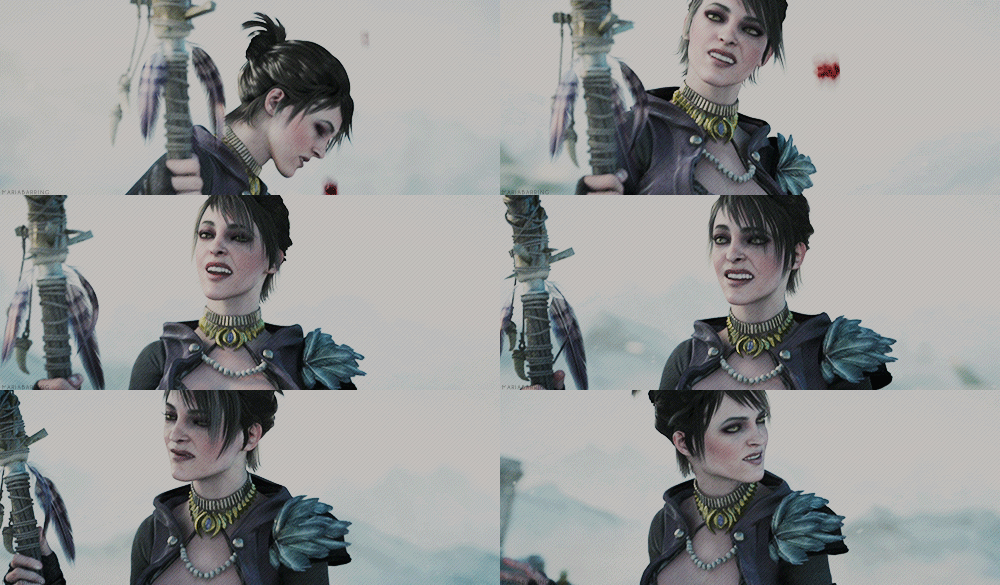
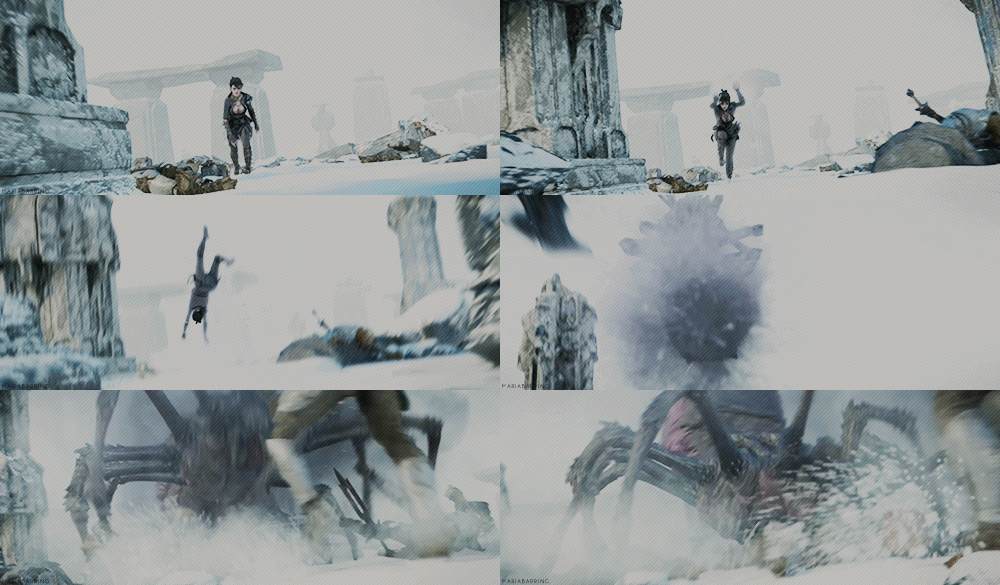
Image posted by Maria Barring

Daughter of the Wilds

Morrigan is a "Witch of the Wilds" an Apostate Mage living in the Korcari wilderness, on the very fringes of civilisation. She grew up far from other people, raised only by her mother, the insidious Flemeth, infamous witch of ancient legend, from whom she learnt the art of working magic, as well as the powers of the Shapeshifter, allowing her to wear the form of an animal. Her mother is a complicated character in her own right (so much so that another of these entries may focus upon her) and she has sought to instill Morrigan with a steadfast resilience against anything she may encounter, producing a tough daughter. Though they have fought off Templars in their time, Morrigan and her mother have evaded capture by the Knights of the Chantry, able to live as Apostates: those mages who live outside of the restrictive confines of the circle and its religious enforcers.

"The Chasind have tales of we witches... I have prowled shadows that you never dreamed existed. Am I an unnatural abomination, to be put to the torch?"

In spite of her reclusive upbringing (and perhaps in no small part due to it), Morrigan has wandered into civilisation before, though each time she has returned to her mother, having always faced some kind of deeply alienating experience or profound rejection from her brief interludes into the "civilised" world. Hence, she has remained by her mother's side...until the Warden came with their quest to save the nation from the Blight and she was instructed to take her leave and aid the Grey Wardens in the preservation of the realm and the downfall of the Darkspawn. 

Such is her story, now to probe a little further...

A Mother's Love

"I raised her to be as she is! I cannot expect her to be less."

When first introduced to Flemeth and Morrigan, it is clear that, in spite of her obvious desire to assert her own capabilities and independence, Flemeth has kept Morrigan under her thumb and there is no question as to her authority over her. This is understandable, for the pair have lived alone together for the majority of Morrigan's life and such a hierarchy (and a level of dependency, fostered by custom) has had time to become firmly cemented. In spite of this, Morrigan is certainly not entirely kowtowed by her mother, she fights back, struggles and asserts herself, though Flemeth seems to take little notice of such outbursts, able to cripple her daughter's efforts with a few words of cutting mockery. 

There does not exist any great warm between these two, that much is apparent on both occasions in which they are met together, though there is a certain degree of sentimental respect on Morrigan's side. When she bids goodbye to her mother, she does so in a very roundabout way, presenting "false" concern which masks a genuine desire not to have to leave. Of course, she very much desires to leave and see the world for herself, rather than to only hear of it through her mother's tales (which is possesses a keen interest in, if Flemeth is to be believed), but this desire can only be achieved by leaving behind the only world she has ever known: the Wilds and her Mother. True, her mother has never been a great source of emotional strength, but she has protected her and raised her, naturally there is a connection there. Morrigan is accustomed to the relative comfort and safety of her environment and is now having to leave it. In spite of her capability and outwardly displayed self-confidence, she is very much a child leaving home. She is vulnerable.

"Morrigan is innocent. She is beautiful. She is vulnerable." - Kate Mulgrew

Image posted by Everything Dragon Age

Needless to say, Morrigan's relationship with her mother is a touchy subject and one which she covers up with humour, trying to appear as if she does not care when in truth she cares very deeply beneath the surface. When asked what she would do if her mother died, she responds with "Before or after I stop laughing?". She evades any such questions as to how she feels and the Warden can lose her respect if they attempt to engage in a sentimental discussion with her about her mother (or any kind of sentimental conversation, which Morrigan, though she does connect with sentiment, openly speaks against). That being said, she evidently respects her mother a great deal, for any attempt to argue against the lessons Flemeth has taught her (that independence is a virtue, that emotional connection is weakness and unnecessary, among other things) is met with open hostility. Though she fights against her mother, she very much respects her and acknowledges her authority and power in a complementary (as opposed to purely cold) manner.

Their relationship is darkened upon the discovery of Flemeth's Grimoire, which had somehow ended up in the Circle Tower. Upon reading it, Morrigan discovers that her mother's longevity has apparently arisen from a cyclical ritual in which she births and raises a daughter in order to take that daughter's body as her own when her previous body has aged beyond usefulness. It is thought that the stronger the daughter is with magic, the easier it is for Flemeth to take her over, thus giving her a motivation to send Morrigan with the Warden, otherwise Flemeth would have sought to protect her greatest asset.

Image posted by Ozoi

This discovery is evidently shocking to Morrigan, who still cannot quite believe the level of "betrayal" within her mother's plot. Though, at the same time, she evidently knows her mother is capable of doing such a thing, for her immediate conclusion, seemingly without much need for consideration, is that the Warden must kill her mother, and she reaches this conclusion without professing any desire to speak with her or displaying anything beyond a basic sentimentality. She does care for her mother, but having discovered her intention to exploit her, Morrigan, who has taken Flemeth's lessons to heart, does exactly what her mother would have done in her place. Though Flemeth, through magic, ultimately survives, Morrigan proves herself as both very similar to Flemeth, but also fundamentally different - for she does open herself to her more emotional side, something which we have yet to see from Flemeth (though there are indications, with her discussions with Merrill in DA:II, that she suffers deep regrets. For what, we do not yet know). 

Morrigan gains her clinical pragmatism and her mistrust of others from her mother and with it comes an inability to understand and correctly handle her own emotions. Though her mother has given her great magical talent and taught her to control it, she failed in giving her the emotional development from which she may have benefitted and, due to the isolation, there was no other source which could have provided her with such. However, compassion comes naturally to human beings and Morrigan evidently has a great deal of it, as well as the ability to empathise. Neither of these are expressed to any great degree, for Flemeth has tried to fashion her daughter into her own likeness. After all, if all goes to plan, Morrigan will one day be Flemeth. 

"I'm not sure whether she's your daughter or your enemy."
"Neither is she." 

Image posted by The Heart Is A Home For Ghosts

Civilisation and Isolation

Having been raised in such an isolated environment, Morrigan is profoundly alienated when it comes to dealing with other people, more so than almost any other character within the series (I would argue even more so than Sten, who may hail from a vastly different culture, but a culture nonetheless), though she is an exceptionally determined individual, so her lack of understanding of social situations is masked behind a veil of apathy. Morrigan has only ever learnt of people "in theory", rather than meeting them, talking with them, developing even basic social skills and thus she views all other people more as ideas and caricatures than as people. She does not care for many others and tells herself that she does not care for those for whom she does care because she has never learnt how to care for others appropriately.

"Ah, look how they moan and wail and gnash their teeth. 'Tis sad to watch how helplessly they scurry about."
We learn our culture and our place within it, and thus, a portion of ourselves, through exposure to it, through being inducted into it. Basically, we learn our culture through living it. Morrigan has never had this, for she has been raised outside of a culture. Flemeth kept her apart from other people and, upon discovering that Morrigan had been occasionally venturing into the "civilised" world, responded with anger enough to leave quite the impact on her daughter. Her mother's desire to hide comes from two motivations: the desire to keep their magic hidden (mainly to avoid hassle rather than danger, considering how powerful Flemeth is) and elitism. Flemeth, rightly or wrongly, considers herself to be better than most others (despite her attempts at presenting herself as humble) and this arrogance has washed off on Morrigan, who ultimately tries to see others are less intelligent than herself. This is again due to her underdeveloped emotional understanding, though she certainly is intelligent.

"I left the wilds more than once when I was young, to seek more of the world of men."

This having been said, Morrigan's responses to civilisation are birthed from a fear of that which is beyond her understanding and yet which inspires within her such a deep curiosity. Though somewhat paradoxical, this is certainly the case and this paradoxical nature is what causes so much strife within her. Flemeth herself says that her daughter wants to venture into the world and see it for itself, but that she has, until the arrival of the Warden, been unable to do so. Morrigan wants to understand other people, she has the capacity to and the desire to come to know them better, on an emotional level, but she is scared of doing so, as such an act requires trust and an open channel with one's emotions, neither of which she is open to experimenting with. Again, this is very much down to her mother, who never responded in such a way as to open up those channels. She is very much stranded in the wilderness, looking into civilisations with a child's curiosity, yet the cynicism of an old crone. 
"I... have never seen such a collection of merchants and people before. 'Tis always so?"
Interestingly, Morrigan's solitude has led to her seek solace in animals, for her Shapeshifter abilities allow her to enter into their world wearing their shape. When asked about it, she reveals that she had occasionally felt the wilds call to her, that she would slip away from Flemeth and take the form of some animal creature, and pass hours with beastial companions. Yet this has not given her any great love for nature, nor has it transformed her into this enlightened "earth mother" character. She is almost as cynical of animals as she is of people, only less so towards them due to her acknowledgement that they cannot scheme and plot as people do. Though she has drawn strength from nature, she does not identify herself with it, thus preventing her from being fully identified with it, though she has certainly been shaped by it more than she herself might wish to believe. 

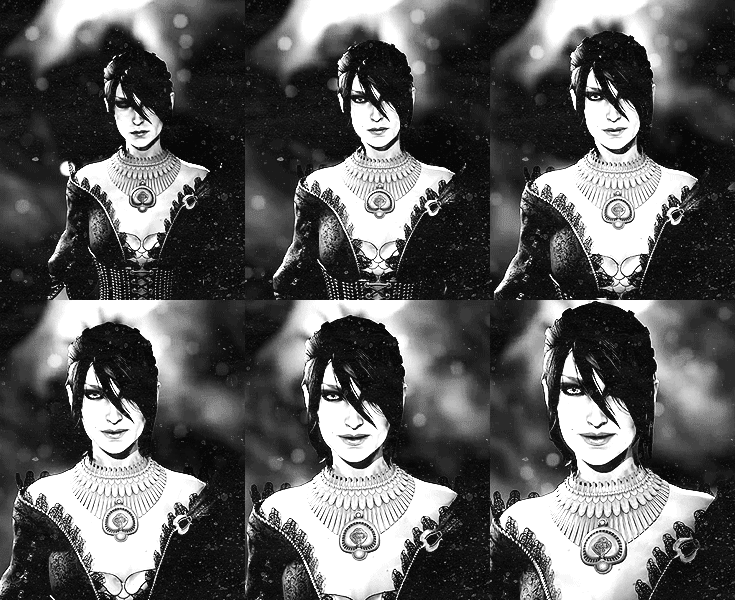
Image posted by Maria Barring

One could certainly argue that Morrigan's closeness to animals has highlighted to her how different she is from the beasts whose forms she can wear, a difference which she perhaps fails to see in many other people, thus leading her to be cynical about their "human nature" (or elven, dwarven, etc.). Perhaps it is the case that she views other peoples much like she views animals, though she has more respect for the animals who do not pretend to be something that they are not, whilst many people pretend to be better. She does seem to have a preoccupation with considering others to be lying to themselves, deluded or simply misguided.

“The world of man... is dangerous.”
“And frightening, I imagine. Especially for someone ill-prepared for it.”


Apostasy

In so fervently opposing the Chantry and its rulings, Morrigan comes to define herself in opposition to the structures she so hates. As for what she specifically hates about the Chantry, there are a few things to chose from, though I find it interesting to note that there is a degree of bravado present even in her attitudes towards the Chantry.

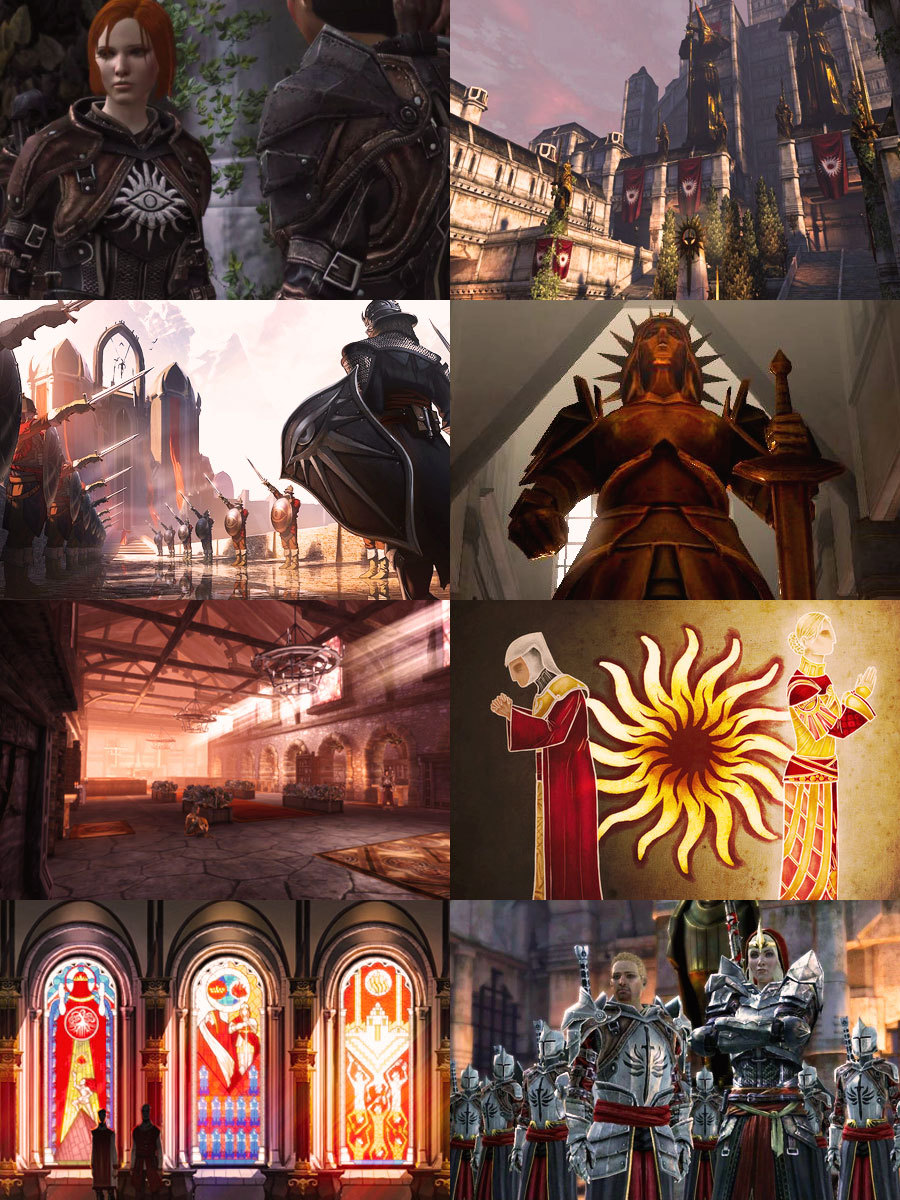
Before explaining further, perhaps I should briefly summarise what the Chantry is. Basically, it is the major religion of Thedas (literally "The Dragon Age Setting" The-D-A-S, Thedas, which is the world in which Dragon Age is set). They are heavily influenced by Christianity, their history revolving around Andraste, the messiah of their God, the Maker, who arrived to spread his word to the world and was betrayed and burnt at the stake. Most importantly, the Chantry have a very low opinion on magic in general, which stems from the words of their prophet. Essentially, they see it as a curse, as something which "exists to serve man and never rule over him". As with anything taken from a religious text, the scriptures have multiple meanings. Whether it is because they see them as evil, easily manipulated by demons or any other reason they can think of, the Chantry, at minimum, require Mages to be accounted for. This means that most of those who can use magic are forced to live in a Circle of Magi, which is meant to be a safe place for them to live and learn together. It is, in truth, as much a prison as anything else. 

Image posted by Hawkules

In typical Morrigan style, she expresses no sympathy for the Circle Mages upon discovering that the veil has been torn and that Abominations (possessed mages) are running amok, with many magi having been slaughtered. This is a moment in which we can see, perhaps more vividly than elsewhere, the impact of Flemeth's teachings. Morrigan sees magic as something exceptionally important and miraculous, something that should be cultivated and explored and embraced. This is true. However, what she values more is independence, liberty and the individual asserting themselves over an authority which would attempt to constrict it. By willingly, in most cases, allowing themselves to be captured and live under the rule of the Circle, these mages have committed, in Morrigan's eyes an ultimate offence, surrendering of the self to some greater dogma, which she considers exists only to exert control.
"It would be a silly thing, prolonging your life. A waste."
I believe that this is what Morrigan opposes most about the Chantry: their dogma. I know that many consider Morrigan to be atheist, though David Gaider's tweet (displayed below) suggests that this is not the case. I would consider it more likely that Morrigan is an agnostic or that she believes in some kind of deeply personal deity. She is certainly a free thinker, one who opposes limitations or anything which tries to box her thinking. This desire to constantly assert herself and subvert others is what gives us so much to talk about. She wants nothing more that to be herself, though she is not quite sure who that is yet, but she is quickly finding out. Restrictive hierarchies are her anathema and those that follow them are, to her, lost and weak. Though this attitude is shaped by Flemeth, I think it safe to say it is as much her own opinion than hers.
Interestingly, Dragon Age: Inquisition will see her taking a place in a hierarchy as she becomes the Arcane Advisor to the Empress of Orlais. It will be interesting to see how this has changed her, for Morrigan has certainly seemed to have matured (from what little we have seen of her in the trailers and pre-release materials) though I have no doubt she remains fiercely independent, even if she is beginning to work in with the system to a degree. This is but speculation, for answers, we shall have to wait.

Image posted by Maria Barring

Getting Dialectical - Wynne

A trend I have noticed in both Dragon Age games (though to a lesser degree in the second), when it comes to companions, is that there appears to be two characters of each class, one of which serves to subvert the norms whereas the other seems to support them. In Dragon Age: Origins, we have Alistair, a fighter who supports tradition, mostly, and Sten, who is Qunari and thus would change the whole of Ferelden if he could. Likewise, Zevran is an outsider assassin whereas Leliana is a believer in the Chantry. Morrigan is the subversive mage, making her counterpart the mage who supports the circle and what it stands for: Wynne.

Wynne and Morrigan seem, at least on the surface to be completely opposed. The former is an established member of the Circle, who has devoted her life to it and to the task of protecting young mages, who fosters a philosophy of extreme selflessness and whose focus is in magics which restore and heal others. Morrigan hates the Circle, the Chantry, has only ever been devoted to herself (in fairness, she never really had anyone else) and whose magic is far more oriented towards the degradation of her opponents. 

Again, we can define Morrigan through her opposition to Wynne.

“But the Circle is no place of safety. 'Tis a place of subjugation.”
“Is it? It is by no means perfect, I agree, but consider the alternative. At least other mages can understand our struggle. We can help each other.”
Of course, it would be easy to simply say of their relationship that they are polar opposites, impossible to reconcile and, whilst there may be some truth to this, I think there is more to be said. During one of their exchanges, Morrigan almost seems to be swayed by Wynne's view on the Circle as an imperfect place of safety, leading her to perhaps question some of her assumptions slightly. Whilst ultimately she remains resolutely against it, I believe what began to make Morrigan reconsider is the mention of helping one another, a concept which Morrigan would ordinarily claim to find abhorrent or weak and yet it is something which she evidently desires. She wants to be appreciated, she wants the gentleness that comes from being understood and yet Flemeth has prevented her from being able to express herself with enough clarity that she can actually attain any of these things.

'There is no writing on my forehead that says "Please, guide me!"'

Morrigan opposes Wynne's position of authority. I think perhaps she considers her to be in some ways similar to Flemeth, and older woman of considerable magical ability (though nowhere near Flemeth) who seeks to promote her beliefs in others as a guide and a teacher. Morrigan has already suffered under the oppressive dogma of one mother and is in no rush to find another, though at the same time, Wynne has many motherly traits which likely force Morrigan to reflect on the role her own mother has played in her life. Undoubtedly, this is an uncomfortable topic, resulting in heightened hostility towards Wynne, only exacerbated by their oppositional views.

"I am not Alistair, who sees in you a surrogate mother."

Image posted by Warden Cortana Croft

Her Namesake

There is power in a name, such a concept is one of the most ancient, featuring in stories, both fantastical and otherwise as far back as there have been stories. Whilst Dragon Age itself has not implemented any kind of magical power involving names, at least it has not done so to the best of my knowledge, Morrigan bears a particularly interesting name, one which hails from Irish mythology.

The Morrigan is one of these elusive figures which varies according to which source one is reading. She is widely referred to as both the "Phantom Queen" and the "Great Queen" and many sources depict her as a Goddess, one associated with Battle, Strife and Sovereignty. Some theorists consider her to be the Irish counterpart to the Norse Valkyries, female minor deities who would decide the fate of warriors in battle and collect the worthy dead for delivery to Valhalla. This connection is strengthened by the fact that the Morrigan was known for her ability to wear the shapes of many animals, and is associated with the crow, whereas the Valkyries were associated. Both small, black birds.

Morrigan of Dragon Age is, of course, a shapeshifter and, whilst the game rules limit her to being able to assume the forms of a spider, a bear or a swarm of flies, she professes to be able to assume the shape of whatever animal she has had the chance to observe for a sufficient amount of time. Thus the shape of a bird is perfectly possible. Additionally, one need only glance at her original robes to note the black feathers upon her pauldron (shoulder). Crow feathers, raven feathers, either are possible. Such references are present.

Image posted by Lemmy Leyra

Additionally, the Morrigan is often considered to be a Triple Goddess, one aspect of a three-part being, which is at once one being and three. There are many examples of these deities throughout history (the Graeae, which were covered in a recent MBTI entry would also fit this category), most notably one could consider the God of Christianity to be a Triple Deity, as he exists as the trinity of the Father, the Son and the Holy Spirit. Furthermore, when it comes to the presentation of witches, three is consistently a number associated with them. A prime example of this would be the Witches three in MacBeth.

Interestingly, the other two deities which are part of her trio are considered to be her sisters, all three of which were born of a single mother. We know from Dragon Age: The Silent Grove, that Flemeth has another daughter, Yavana (who interestingly sees the ritual possession Flemeth is seeking to perform on Morrigan as a gift), and there is nothing to indicate that she does not have others. Thus, there are possible links in the story there.

Therefore, we can see how parts of Morrigan's character, though perhaps not her personality, stem from her Irish namesake. A shapechanger, part of something greater than herself, associated with crows and ravens, bastion of strife.

Image posted by Dorian Xpavus

Finally

Bearing in mind what I have written here, I would class Morrigan as an INTJ, though her secondary type would definitely be INFJ. In terms of Enneagram of personality type, I would place her either as Type 4 (The Artist / Individualist) or Type 8 (The Assertist / The Challenger). Her tarot card would be the Queen of Swords. 

Certainly, it will be interesting to see how Morrigan's character will develop as she appears in Dragon Age; Inquisition, for, as mentioned, she seems to have matured a great deal. Who knows what Morrigan we will be presented with? I for one am sure that she will remain as sarcastic and fiercely independent as ever, though perhaps she will sacrifice some of her nature to aid in the winning of the war? I hope to find out!

So concludes the 100th entry. Thanks for reading!

Thursday, 24 July 2014

The Beastiary: Entry II, Analysts

The topic of this entry is the Analyst Myers-Briggs Types: INTJs, INTPs, ENTJs and ENTPs. These types are known as Analysts because they combine the Introverted and Thinking traits, granting them increased ability to deal with abstract concepts and process large amounts of factual information. They often excel in the more strictly logical portions of disciplines and are more often than not more comfortable with ideas and information than they are with people. 

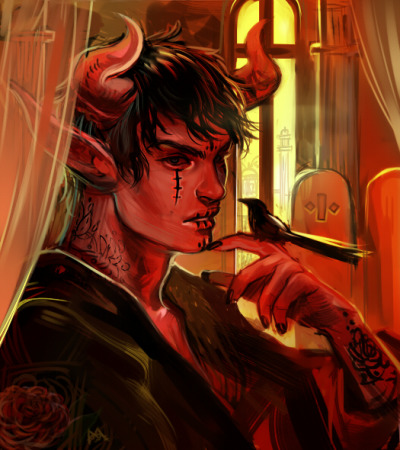
The creatures I will be discussing during this entry are...Devils, Doppelgangers, Sphinxes and Wisps.


Image posted by The Koochinko

INTJs (The Strategist) - Devils

First off, I would like to make it clear that, as with all of my MBTI related stuff, there is no judgement present and I am not here intending to say that INTJs are in any way immoral. I am, however, saying that, from a perspective of personality, there are links with Devils (as they are presented in popular culture and beyond), which, it is important to note are not necessarily evil in and of themselves.

Having made the clear, why are INTJs comparable with Devils?

A central quality for the Strategist is a high degree of self-confidence, which can, in some cases, lead to arrogance or at least a tendency towards stubbornness. This concept of INTJ pride, ties in nicely to the fact that devils are often presented as wielding great power, a nod to the INTJ tendency to be very adept within certain fields, but also of their power tied with their ambition and their self-confidence. These are initial reasons, however, and the main reason I have decided to compare INTJs and Devils is because of the Strategist's wit and ability to think quickly and, most of all, to develop contingency plans and be consistently prepared. This kind of behaviour is displayed in Devil characters as they always have a way of turning the situation to their advantage. Centric to the personality of the Strategist is their ability to quickly understand a system of rules and exploit them to their advantage and this very much reminded me of the idea of Devilish Pacts, or contracts with the Hells. In such cases, mortals will promise something to the Devil, usually their soul, in exchange for that which they desire, though the Devil nearly always manages to exploit the terms of the contract so that the mortal ends up with nothing. 

Interestingly enough, despite their ability to flourish in organised environments, INTJs often wish to break out and assert their liberty and this can be seen within devils as well. In spite of their contracts and bargains, both of which are governed by many rules, Devils are nearly always portrayed as wishing to get out of Hell, to leave behind those structures and assert themselves. 


Image by Dumonchelle Draws

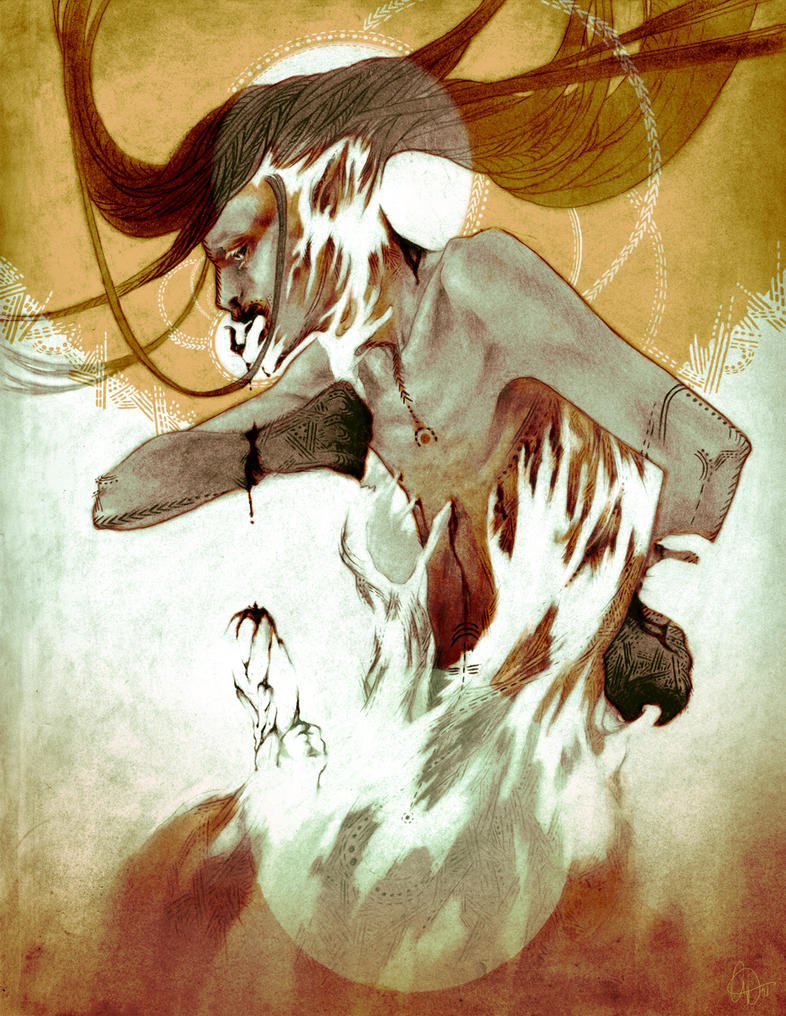
ENTPs (The Inventor) - Doppelgangers

For the purposes of this entry, I will consider Doppelgangers in the sense they are presented within D&D. Essentially, they are humanoids who have the power to change their appearance at will, appearing as any other humanoid they wish, even able to perfectly imitate the appearance of another if they chose to. In spite of this, however, they do not gain access to the mind of those they chose to appear as, so their resemblances, whilst convincing, can be as shallow as appearance.

I gave the ENTP this role because of their love of debate and their devil's advocate nature, which allows them to assume and reassume various positions in discussion, allowing them to effectively alter their argumentative "face" as they see fit, even if, sometimes, others are able to see through it. It is, however, difficult to see through the shapes they assume as ENTPs are known for their charisma and their social fluency, much as a Doppelganger would have to be able to adapt to whatever face he (or she) was wearing at any individual moment, so too can Inventors effectively reinvent themselves and present themselves different depending on who they are with or what mood they are in, more so than other types. Furthermore, ENTPs often suffer from boredom and like to "shake things up", constantly moving on and progressing, just as a Doppelganger might change their shape, having tired of living within their former one. This having been said, they possess, as do all types, a more stable inner core, a "true personality" which is much like the ENTP.


Image by Archlimit

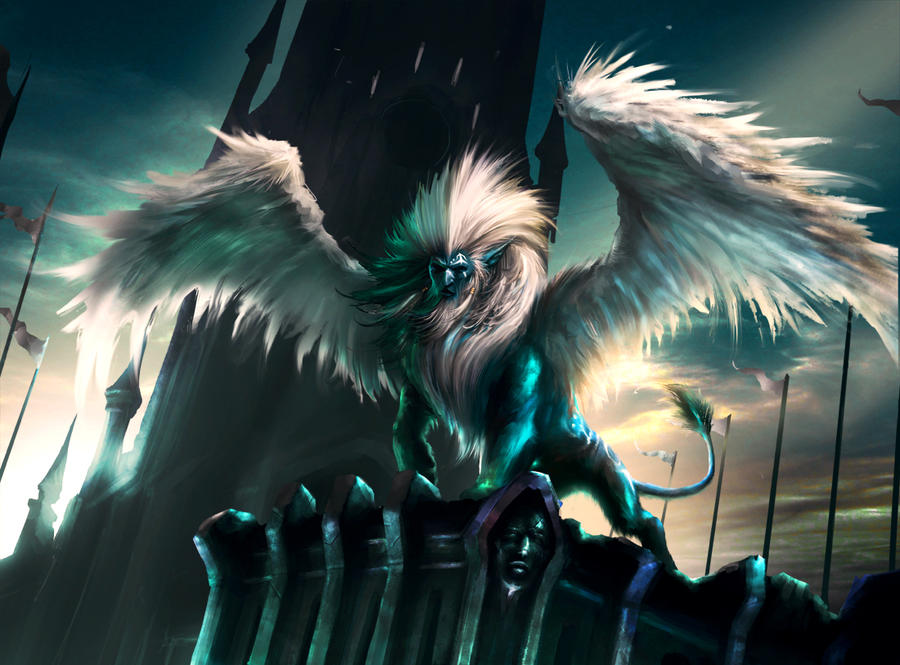
INTPs (The Architect) - Sphinxes

Just as INTPs possess great skill with abstract thought and problem solving, so too do Sphinxes. In much lore, these winged lions are presented as loving wordplay, puzzles and, above all, riddles. This is the central reason why I have compared them to the INTPs, who are open-minded by nature and often possess deep and powerful imaginations, which allow them to think exceptionally creatively. Furthermore, much like the Sphinxes who are known to sit or lie around all day, passing hours in deep thought, Architects can be withdrawn and even absent-minded at times, especially when their minds are going over some problem or complication. Architects can become truly devoted to their projects, which they only ever adopt out of a love for them (in most cases) and thus, like the Sphinxes, can become devoted to them at the expense of everything else. INTPs can, occasionally, become condescending, especially when they are speaking to those who cannot interface with their thinking as readily as they (which happens to be most people), and this is similar to the way in which Sphinxes can become bored by those who come across them, unless their visitors are willing to engage in a game of wit. 


Image posted by Science Soup

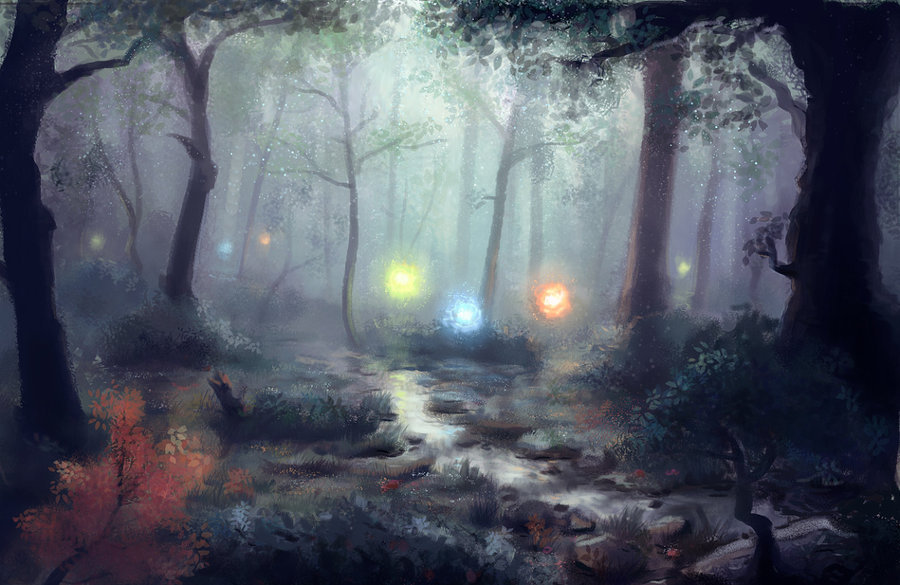
ENTJs (The Commander) - Will-o'-the-Wisp

Ah, we return to the infamous Commanders once again. Now, I know that many people, not to mention many ENTJs, would probably find the fit between their type and Will-o'-the-Wisps to be wanting in some way. It is within the ENTJ mindset to consider themselves to be something more robust and I would agree that this type is mentally hardy and certainly very capable. I am not, in assigning them the Wisps, arguing that this type could not easily fit many other, perhaps more traditionally fantastical, creatures, though I am saying that I think that they suits wisps equally well. 

The central reason for my selecting this match is that ENTJs, as their namesake suggests, are strong-willed, leader oriented types, able to deal with both facts and abstract ideas in order to make quick decisions and fit them into a wider strategy or plan. This, to me at least, resonates with the image of the wisps appearing out of thin air to lead travellers and adventurers along a new path, for good or ill. After all, wisps have been known to lead wanderers to their doom for no reason other than a desire to do so. (ENTJs can, after all, be ruthless when they want to be). 

Furthermore, wisps are shown as being agents of a "hard fate" or a destiny which the character cannot ultimately chose to avoid. Likewise, ENTJs are known for their ability to hold their ground and be quite insistent, often leading to confrontations with other types (and other ENTJs) who do not like to be commanded, even by the Commander. Wisps will be listened to and refuse to be lightly ignored, much the same for ENTJs. Though wisps themselves tend to exist as relatively minor characters, this does not mean that they do not have a profound impact on that which goes on around them.


Thus ends the second Beastiary entry. In the third installment, I will be discussing the Sentinel types: ISTJs, ISFJs, ESTJs and ESFJs - Vampires, Valkyries, Dragons and Erinyes. 

Friday, 18 July 2014

The Beastiary: Entry I, Explorers

The time has come to return to the realm of MBTI once again, but in a slightly different way than the previous series. Firstly, this series is going to be far, far shorter (totalling at four entries) and rather than taking a group of characters, from a variety of different series, for each type, I am instead going to be discussing the general rather than the particular.

Basically, the idea is that I will take a different kind of magical or mythological being and assign a different MBTI type to each one, one creature for each personality type. The idea is to consider how various fantasy archetypes map onto the sixteen personality types, which should hopefully allow us to understand both with a little more clarity. 

So, the first group of types I shall be discussing are known as the Explorers. These are the types which combine the Sensing and Perceiving traits (ESTP, ESFP, ISTP, ISFP). Due to this combination, they are very practical individuals, who possess great spontaneity whilst also able to utilise their environment with fluidity and ease. They are the field types, the ones who prefer to be doing, rather than merely thinking about.

The creatures I will be discussing as part of this entry are: Dwarves, Satyrs/Maenads, Graeae and Werewolves.


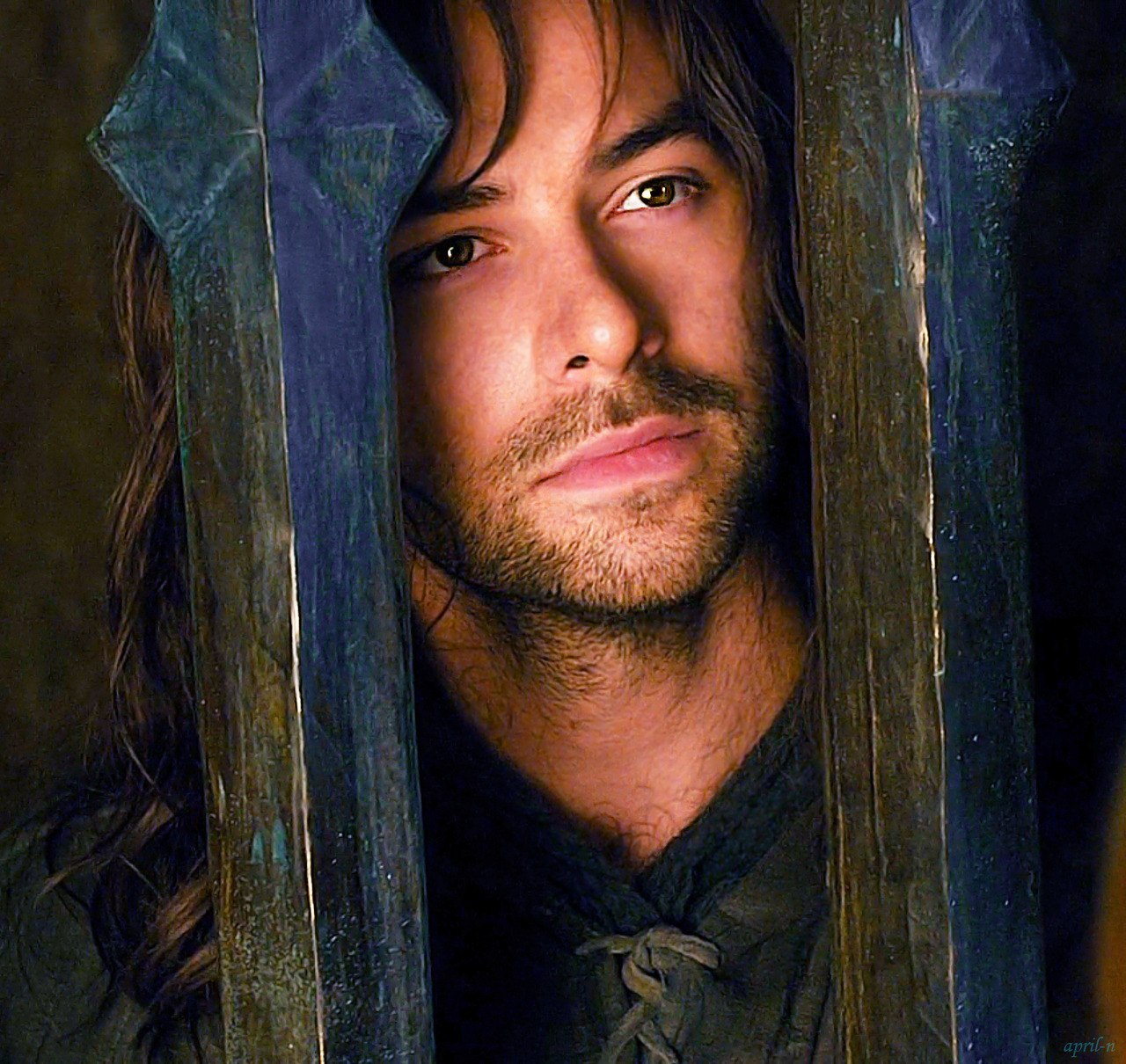
Of course, how could I not include a picture from the Hobbit?
Image posted by Swan Sandra

ESTP (The Adventurer) - Dwarves

Dwarves are traditionally a practical, action-oriented race, traditionally associated with crafting, in the form of mining and metallurgy. Stereotypically, they are seen as a straightforward people, blunt and outspoken, though often possessing strong hearts and deep-rooted loyalties for those whom they consider friends. ESTPs, true to the title Adventurer, are always ready to leap into the action. They, like many Dwarves, can be seen as hotheaded, preferring to focus so much on what is that what could be that they will often refuse to plan or think ahead, instead living firmly in the moment. Dwarves within fantasy are often portrayed as highly moral people, often presented with codes of honour and firm views on justice. Whilst the ESTP might not follow unwavering principles, they do often see morality as didactic, thus they likely have opinions on what is right and this motivates them to act, even when culture or tradition might try to stop them. Adventurers are passionate about the physical and the sensory, seeking fun and excitement. Dwarves have a penchant for revelry as well, as displayed by their fondness of drinking.


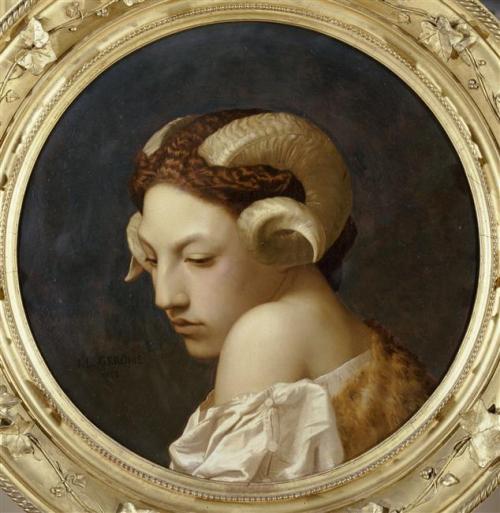
The Bacchante by Jean-Léon Gérôme.
Image posted by A Certain I Don't Know What

ESFP (The Performer) - Satyrs and Maenads

Somewhat less popular than dwarves are the followers of Dionysus, the Greek God of wine, song and revelry (known to the Romans as Bacchus). More than this, he was also a God closely aligned with pleasure, physically and was also known as the God of ritual madness and religious ecstasy. He has been used within philosophy, most notably that of Nietzsche, as a figure aligned with the nullification of the individual and entering into a unity with all things in order to avoid suffering. So let me explain how this might tie into the ESFP type.

Well, the ESFP, Performer, type look upon life as an opportunity for happiness, seeing how they can enjoy themselves and how they can excite and connect with others. For the Performer, life is a party, with a few boring scenes to separate one festivity from another and this is very much in line with the followers of Dionysus, who very much have a "we sleep, we party" attitude to the world. They are bold and outspoken individuals, much like the Maenads who were certainly not soft-spoken and reserved types. ESFPs are well acquainted with desire and they embrace it, indulge in it, as do those who subscribe to Dionysus' doctrine. Hand in hand with this goes the ESFPs fluency when it comes to art and the aesthetic and, as I pointed out, half of Nietzsche's conception of aesthetics (within the birth of tragedy, at least) is built upon the Dionysian foundation. Dionysus is a god of music, which is itself a major branch of the creative artistic.  Furthermore, ESFPs seek harmony, intimately so, and loath conflict or hostility, which matches with the "lighten up" and "let it go" attitude of the Dionysian. Finally, it is important to highlight that all this abundant energy and thirst for release in the form of revelry means that both ESFPs and Satyrs / Maenads are not the most focused of individuals, that it can be hard to keep their attention at times and they are loath to invest in anything they might consider to be boring. 

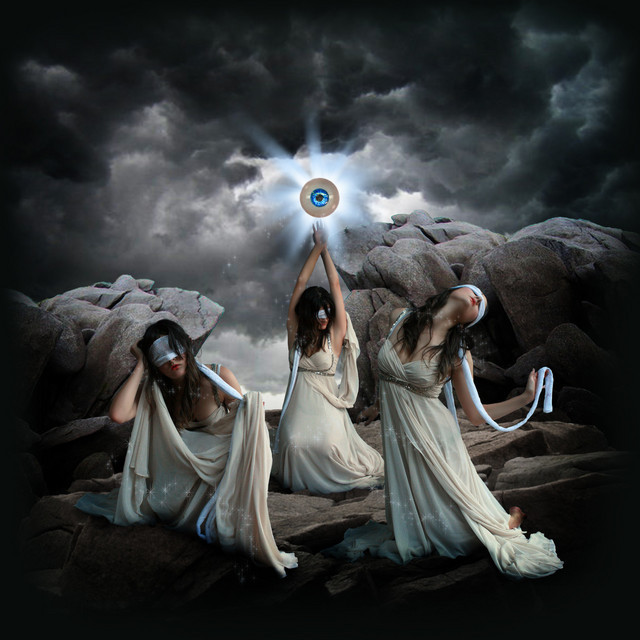
Image posted by Venale

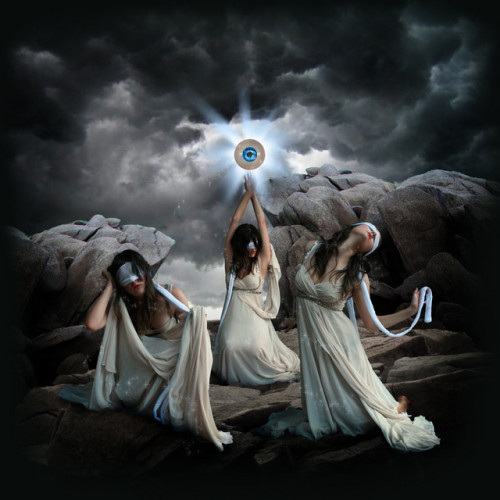
ISTP (The Crafter) - Graeae

Also known as the fates, the Graeae are a trio of three women from Greek legend (there is also a Norse incarnation in the form of the Norn) who have great knowledge concerning the world and are able to see across time. They share a single eye between them, thus only one is able to see at a time and whilst each of these three individuals has a distinct personality, the concept of a seer or a mystic has its own personality archetype which we can compare to the ISTP.

Firstly, I think that it is key to note the ISTP ability to remain relaxed, even in tense situations, as they are able to mentally, if not physically, distance themselves and think it a detached manner. This fits with the seer archetype, who is often able to see much, yet is able to do so only be standing mostly outside of it, peering in. This is not to say that the ISTP are impractical, quite the contrary, but it does mean that they are able to act, for lack of a better term, "professionally". They are actually very practical, though they understand when and where to act in order to have the most effect. In the stories, when a seer acts, their action is informed with mystical knowledge of events and it reverberates across the narrative, changing things greatly. Interestingly, the Crafter is known to be very grounded in the present, which may put them at odds with some of the future-obsessed seer types, though I would argue that the kind of seer these ISTP map to are those who, in spite of their foresight, know very clearly that they live in the present. Due in no small part to their perceptiveness, Crafters can be stubborn when it comes to defending their attitudes and convictions, much as those characters who can see the future, or at least beyond the present, are often forced, and more than able, to defend their predictions. 


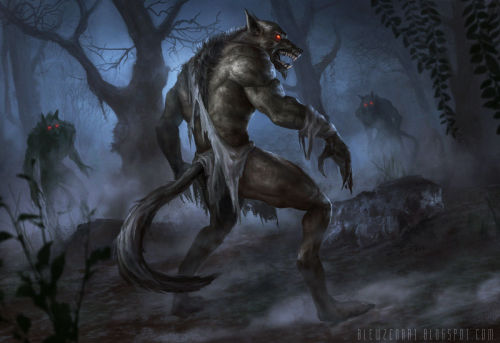
llustration for an article about a spanish killer who claimed to have transformed himself into a wolf during his killings.

ALVARO NEBOT
Image posted by Quark Master

ISFP (The Composer) - Werewolves

I really do not think that I need to explain to anyone what a Werewolf is, so I'll just jump right in and explain how these tie to the ISFP, Composer, type.

Composers are sensitive and creatively passionate individuals and this deep-rooted desire to express themselves and create themselves a stable identity is something which I think is centrally reflected in the Werewolf. These lycanthropes are often displayed as struggling with their own identities due to their straddling of two worlds: the human and the beastial, which often leads them to be very inwardly focused individuals, though this gives them, like ISFPs, a great desire to express themselves and to be understood by others. Ultimately, through an exploration of this inner nature, ISFPs are able to communicate to others who they are, often through some kind of artistic practice and this reflects many contemporary Werewolf stories in which the Werewolf reveals themselves as a Werewolf to another person. Another key point is that ISFPs, though often reserved, are deeply passionate people and, when the mood strikes them or the topic of conversation swings in their favour, they visibly brighten and are able to share their passion for that which they care about. Werewolves are creatures of passion as well, possessing this wild, inner-life, the call of the beast, which likewise fills them with passion and drive under the right circumstances (such as the full moon). ISFPs often struggle to relax this inner passion, which often makes them prone to stress, and this, I think, can be considered akin to the Werewolf trying to control the beast within themselves, if we class this beast as a wild and untamable passion for that which they hold dear.


So, that brings the first Beastiary entry to a close! In the next entry, I will be discussing the Analyst types: INTJs, INTPs, ENTJs and ENTPs - Devils, Sphinxes, Will-o'-the-Wisps and Dopplegangers!